Why choose the Salento region in Italy for your hotel stay
Sunrise over the Adriatic at Torre dell’Orso, dinner on the Ionian side near Porto Cesareo the same evening. The Salento region in southern Puglia lets you cross from coast to coast in under an hour in normal traffic – for example, Lecce to Otranto on the Adriatic takes about 35 minutes by car, while Lecce to Gallipoli on the Ionian is roughly 40 minutes. This compact geography makes Salento unusually flexible for a hotel-based stay. You can book one carefully chosen property and still explore both wild beaches and baroque towns without constant packing and unpacking. According to common driving estimates on tools such as Google Maps, Brindisi Airport to Lecce is typically 30–40 minutes by car, which supports using a single base for day trips.
Compared with other parts of Puglia, Salento feels more intimate, more intensely Mediterranean. Olive trees stretch in dense grids inland, broken by whitewashed villages and the occasional fortified masseria, those traditional farm estates now reborn as characterful hotels. For many travelers, this mix of sea, countryside and small-scale historic centers is exactly why Salento wins over more polished northern Puglia. Brindisi Airport is about 30–40 minutes’ drive from Lecce and just over an hour from Gallipoli, while Bari Airport is around two hours away, so you can reach most hotels without complicated transfers. For up-to-date transfer times, it is worth checking current routes on a mapping service when you plan your itinerary.
Expect a hotel landscape dominated by converted farmhouses, discreet palazzi in towns like Lecce and Nardò, and low-rise resorts close to the sand. Large urban towers are rare. Swimming pools tend to be framed by stone walls and olive groves rather than glass and steel, and breakfast is more likely to feature local ricotta and olive oil than a generic buffet. If you are drawn to place-specific design and a slower rhythm, this corner of Italy is a strong match. Many properties also provide photo galleries and virtual tours on their official websites, which can help you verify room layouts, pool size and proximity to the sea before you commit.
Choosing between masseria, palazzo and coastal hotel
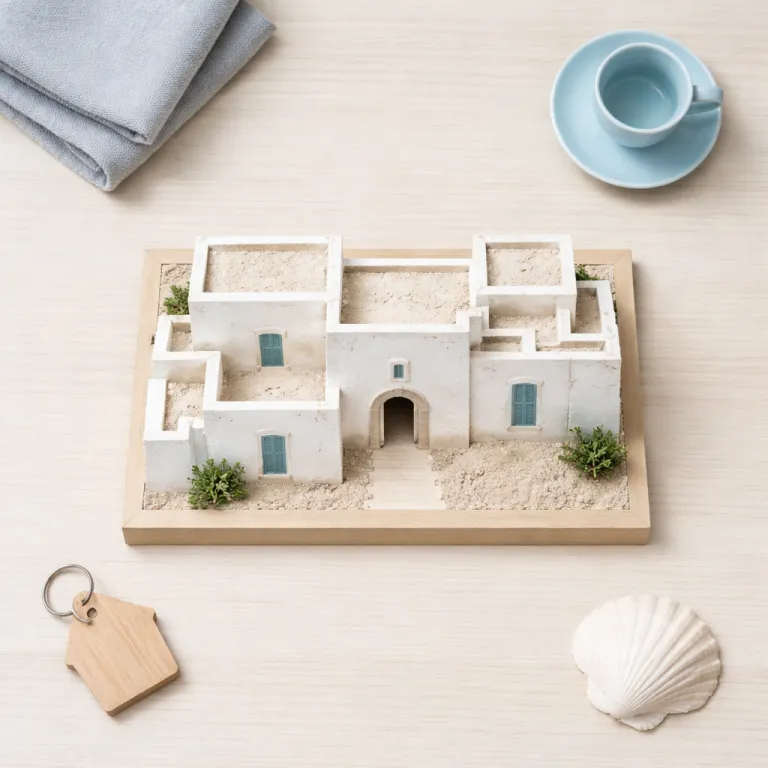
Driving inland from the coast near Otranto, you start to see the classic masseria profile: thick white walls, inner courtyards, sometimes even a small chapel. Staying in a masseria suits travelers who love space, privacy and a direct connection to the land, with rooms often opening onto gardens, olive groves or a shared swimming pool. Many of these properties in southern Puglia offer only a limited number of suites, which keeps the atmosphere quiet even in high season. Top countryside choices include Masseria Montelauro near Otranto (upper-mid-range; rustic-chic rooms, serene pool, easy access to the Adriatic) and Masseria Le Stanzie near Supersano (mid-range; working farm, authentic Salento food, strong sense of history). For current photos, seasonal opening dates and detailed room descriptions, consult each masseria’s official site.
In Lecce’s historic center, the experience is different. Here, former noble palazzi hide behind heavy doors on streets like Via Libertini or Via Palmieri, revealing vaulted ceilings, stone staircases and, in some cases, a small spa or hot tub tucked into the old cellars. Choose a palazzo-style hotel if you want to walk to aperitivo, churches and galleries, and if you value architecture and urban life over direct beach access. Consider Patria Palace Hotel Lecce (upper-range; baroque palazzo facing Basilica di Santa Croce, rooftop terrace, ideal for first-time visitors) or La Fiermontina Urban Resort (luxury; sculpture-filled gardens, design-led suites, quiet yet central location). Both properties publish room categories, services and sample rates on their own booking engines, which is useful for comparing budgets.
On the coast, low-rise hotels and small resorts cluster near sandy stretches such as the area south of Gallipoli or around Porto Cesareo. These are the obvious choice if you plan to spend most of your time swimming, sailing or diving, and if you prefer a classic pool-and-sea rhythm. The trade-off is clear: coastal hotels give you immediate access to the water, while masserie and palazzi offer richer atmosphere and often more distinctive design. For a beach-focused stay, look at Vivosa Apulia Resort in Ugento (upper-mid-range; family-friendly, pine forest setting, long sandy beach) or Hotel Palazzo del Corso in Gallipoli (upper-range; rooftop pool with sea views, walkable to the old town). As a rough guide, mid-range coastal hotels in high season often start around €180–€250 per night for a double room, with higher prices for suites and sea views.
What to expect from rooms, suites and design
Stone floors that stay cool under bare feet, whitewashed walls, linen curtains that move with the evening breeze. Rooms in Salento’s better hotels tend to embrace local materials rather than international sameness. In many masserie, you will find former stables or granaries reimagined as suites, sometimes with private patios, small hot tubs or outdoor showers screened by dry-stone walls and olive trees. At Masseria Torre Coccaro near Savelletri (luxury; though technically in northern Salento, often combined with a Lecce or Otranto stay), suites might include vaulted ceilings, fireplaces and private gardens that feel like miniature courtyards. Checking recent guest photos on review platforms can help confirm whether the interiors match the official images.
In town palazzi, expect higher ceilings and more vertical drama. Some suites occupy former reception salons, with restored fresco fragments or star-shaped vaulted ceilings typical of Lecce stone architecture. Design here often balances contemporary furniture with antique pieces, so you might see a minimalist sofa placed under a 200-year-old arch, or a sleek freestanding bath set against rough tufa stone. Properties such as Palazzo Presta in Gallipoli (upper-mid-range; eclectic interiors, rooftop bar, short walk to the sea) show how playful design can still feel rooted in local materials. When browsing photos, look for alt text or captions that specify room type, as this can prevent confusion between entry-level rooms and premium suites.
Resort-style hotels closer to the sea usually lean into lighter, coastal design. Rooms may open directly onto gardens or terraces near the pool, with easy access for swimming before breakfast. When comparing options, look carefully at how many rooms share each of the swimming pools, whether there are genuinely private outdoor spaces, and if the property layout feels intimate or more like a classic holiday complex. For travelers who love quiet, fewer rooms and more dispersed buildings usually translate into a calmer stay. If you prefer a boutique feel with sea views, Relais Valle dell’Idro in Otranto (mid-range; roof terrace, short walk to the historic center and beaches) is a good example. Many hotels now include basic accessibility details, floor plans and room size information on their sites, which can be helpful if you need step-free access or extra space.
Pools, spa culture and the art of doing very little
Afternoons in Salento are made for water and shade. Many of the region’s hotels offer at least one swimming pool, often framed by low stone walls and rows of olive trees. Some countryside properties add a second, smaller pool or a hot tub for adults only, which can be a welcome detail if you value silence. The best setups feel like extensions of the landscape rather than separate leisure zones. At Masseria San Domenico between Brindisi and Bari (luxury; thalasso spa, large lagoon-style pool, easy access to the coast), the pool area blends into olive groves and low, honey-colored stone buildings. When browsing hotel galleries, look for image descriptions or alt text that mention pool depth, shaded areas and children’s zones if you are traveling as a family.
Spa facilities vary widely. In converted farmhouses, you might find a compact wellness area carved out of old storage rooms, with a simple treatment menu and perhaps a small indoor pool. Urban palazzi in Lecce sometimes offer more elaborate spa circuits, using the building’s underground spaces to create atmospheric hammams or saunas beneath the street level. If spa time is central to your trip, verify what “spa” actually means in each property before you book, as the term can cover everything from a single massage room to a full thermal experience. Hotels like Risorgimento Resort in Lecce (upper-range; central location, rooftop restaurant, small but polished spa) suit travelers who want culture and wellness in one base. Expect spa access fees or treatment prices to be listed on hotel websites, which makes it easier to budget.
Pool culture here is unhurried. Breakfast often stretches late, with guests drifting from terrace to sun lounger, then perhaps into town only in the early evening. If you love long, quiet days with little more on the agenda than swimming, reading and a glass of local wine at a terrace bar, Salento’s hotel scene is well aligned with that pace. Travelers who crave constant activity may prefer to base themselves closer to larger towns or more structured resorts. In that case, a stay near Gallipoli or Otranto, where you can combine boat trips, beach clubs and evening passeggiata, can work well. For those who like planning, many hotels publish sample daily programs or activity lists online, which can help you choose between a pure relaxation retreat and a more active resort.
Where to base yourself: Lecce, countryside or coast
Choosing a base in Salento is less about a single “best” place and more about your priorities. Lecce, often called the Florence of the South, works beautifully for travelers who want culture, restaurants and easy day trips. From a palazzo hotel near Piazza Sant’Oronzo, you can reach both the Adriatic and Ionian coasts in roughly 30 to 40 minutes, then return to the city for dinner under the baroque facades. Lecce also has frequent train connections to Brindisi and Bari, so if you prefer not to drive, a central hotel like Patria Palace or Risorgimento Resort makes logistics simpler. For a broader Puglia itinerary, many visitors pair Lecce with stays in well-known northern areas such as the Valle d’Itria or the white hill towns often associated with views like Vista Ostuni.
The countryside between Lecce and Otranto, and around small towns like San Cassiano, is masseria territory. Here, properties sit among olive groves and low hills, sometimes at the end of long gravel drives. This is the right choice if you love quiet nights, starry skies and waking up to the sound of cicadas rather than traffic. It also suits longer stays, when you want a stable base with space to breathe, perhaps a private terrace and generous gardens for children to roam. Families often appreciate masserie such as Vivosa Apulia Resort or Masseria Montelauro, where you can combine nature, pools and easy day trips to beaches. As a ballpark figure, characterful countryside hotels in shoulder season might start around €140–€220 per night for a double room, with prices rising in July and August.
On the coast, the feel shifts again. The stretch near Gallipoli on the Ionian side offers sandy beaches and a more social atmosphere, while the Adriatic near Otranto is rockier, with dramatic coves and clearer water for swimming. If your ideal day revolves around the sea, choose a hotel within a short walk or drive of your preferred type of beach. For a broader Puglia itinerary that includes places like Polignano a Mare or the area around Borgo Egnazia and the white town often associated with views like Vista Ostuni, consider splitting your time between northern and southern Puglia rather than trying to commute daily. A common pattern is to spend a few nights in a coastal resort near Gallipoli or Otranto, then finish with two or three nights in a Lecce palazzo for culture and restaurants. When planning, check hotel check-in times and minimum-stay rules, as these can affect how you divide your nights.
Practical tips before you book a hotel in Salento
With thousands of hotels in the wider Salento area, a few filters help. First, decide whether you want to rely on a car. Many of the most atmospheric masserie and countryside properties are reached via narrow rural roads and feel wonderfully remote once you arrive, but they are not practical without your own transport. Urban palazzi in Lecce or coastal hotels near larger towns work better if you prefer to move mostly on foot or by local transport. If you do rent a car, factor in parking: some historic centers have ZTL (limited traffic zones), so a hotel with private parking just outside the old town walls can save time and stress. Many properties clearly state whether they offer free on-site parking, valet service or discounted nearby garages, so it is worth checking this detail before you confirm your booking.
Next, look closely at how each property handles meals. Some countryside hotels offer generous breakfast only, encouraging guests to explore nearby trattorie for lunch and dinner, while others lean towards a more resort-like, stay-on-site rhythm. If you care about local food culture, check whether the kitchen uses regional produce such as Salento olive oil, seasonal vegetables and fresh seafood, and whether there are options for lighter poolside lunches after a morning of swimming. In higher-end masserie and resorts, half-board can be good value if you plan to spend most evenings on property. As a rough benchmark, simple dinners in local trattorie might start around €20–€30 per person excluding wine, while tasting menus in upscale hotel restaurants can be significantly higher.
Finally, match the atmosphere to your travel style. Couples often gravitate towards smaller properties with fewer rooms, more suites and a focus on privacy, while families may appreciate larger swimming pools, gardens and flexible room configurations. If design is a priority, pay attention to recent photos of interiors and outdoor spaces rather than relying on generic descriptions. Salento rewards those who choose carefully: the right hotel here becomes not just a place to sleep, but the frame for how you experience this distinctive corner of Italy. Whether you opt for a masseria among olive trees, a baroque palazzo in Lecce or a coastal resort near Gallipoli or Otranto, a well-chosen base will shape your days as much as any individual sight. For extra reassurance, you can cross-check hotel claims about distances, facilities and services against mapping tools and independent review sites before you finalize your reservation.
FAQ
Is the Salento region of Italy a good choice for a first trip to Puglia?
Salento is an excellent choice for a first trip to Puglia if you want a concentrated mix of beaches, historic towns and countryside. Distances are short, so you can stay in one hotel and still explore both the Adriatic and Ionian coasts, visit Lecce’s historic center and spend time among olive groves without constant hotel changes. First-timers often combine a few nights in Lecce with a stay in a masseria near Otranto or Gallipoli to experience both culture and sea. For planning purposes, you can verify typical driving times on mapping services and check hotel websites for suggested day-trip routes.
When is the best time to stay in a hotel in Salento?
Late spring and early autumn are particularly appealing, with warm weather, swimmable seas and a calmer atmosphere than peak summer. Summer brings the liveliest beach scene and long evenings outdoors, while winter is quieter and better suited to travelers focused on food, culture and slow days in town or countryside hotels. If you plan to visit in July or August, book popular hotels and masserie several months in advance, especially around Ferragosto, when Italians traditionally take their holidays. Checking historical climate data for Lecce or Brindisi can also help you choose the month that best matches your preferred temperatures.
Should I choose a masseria, a palazzo or a coastal hotel in Salento?
Choose a masseria if you value space, nature and a strong sense of place, often with rooms set among olive trees and stone courtyards. Opt for a palazzo in Lecce or another town if you want to walk to restaurants, churches and shops. A coastal hotel is best if your days will revolve around swimming, boat trips and easy access to the beach. Many travelers split their stay between two styles – for example, three nights in a Lecce palazzo followed by four nights in a seaside resort near Gallipoli or Otranto. To refine your choice, compare sample nightly rates, cancellation policies and included services (such as breakfast or spa access) on each hotel’s official booking page.
Do hotels in Salento usually have swimming pools and spa facilities?
Many hotels in Salento offer at least one outdoor swimming pool, especially countryside masserie and coastal properties. Spa facilities are more variable: some hotels provide only basic treatments, while others feature more developed wellness areas in converted cellars or dedicated buildings, so it is worth checking the exact facilities before you book. If a full spa is important, look for properties that mention hammams, saunas or thalasso treatments rather than just massages. You can usually confirm details such as opening hours, age restrictions and extra fees in the wellness or spa section of each hotel’s website.
How far are Salento hotels from major sights and beaches?
Because Salento is compact, many hotels are within a 20 to 40 minute drive of both beaches and key towns. A hotel near Lecce’s historic center offers easy access to cultural sites and day trips to both coasts, while countryside properties between Lecce and Otranto or around San Cassiano place you closer to rural landscapes and a selection of nearby beaches. From Gallipoli, you can reach Santa Maria di Leuca at the southern tip in about an hour, while Otranto to Lecce usually takes around 35 minutes by car. These timings are consistent with typical routes shown on mapping tools, but always allow extra time in peak summer traffic.