Choosing the right base for your stay in Puglia
Understanding where to stay in Puglia starts with choosing the right base. The region stretches from the Gargano headland down to the Salento peninsula, and distances between towns can be longer than they appear on a map. Deciding whether your base should be a coastal town, a countryside masseria, or a historic centre will shape every day trip you plan.
Many travelers split their stay in Puglia between the Valle d’Itria and the Salento peninsula. This strategy allows easy access to whitewashed itria towns such as Locorotondo, Martina Franca, and Ostuni, while also enjoying coastal towns like Gallipoli and the city beach culture of Polignano a Mare. When you choose more than one base, you reduce driving time and make day trips more relaxed and rewarding.
Public transport in Puglia exists but is limited, especially between smaller itria towns and rural areas. Renting a car gives easy access to beaches, countryside, and lesser known coastal towns that are difficult to reach otherwise. Because of this, many travelers select a hotel or masseria with on site parking and then use their car for flexible day trips across the region.
Staying in the Valle d’Itria: trulli, masserie, and hilltop towns
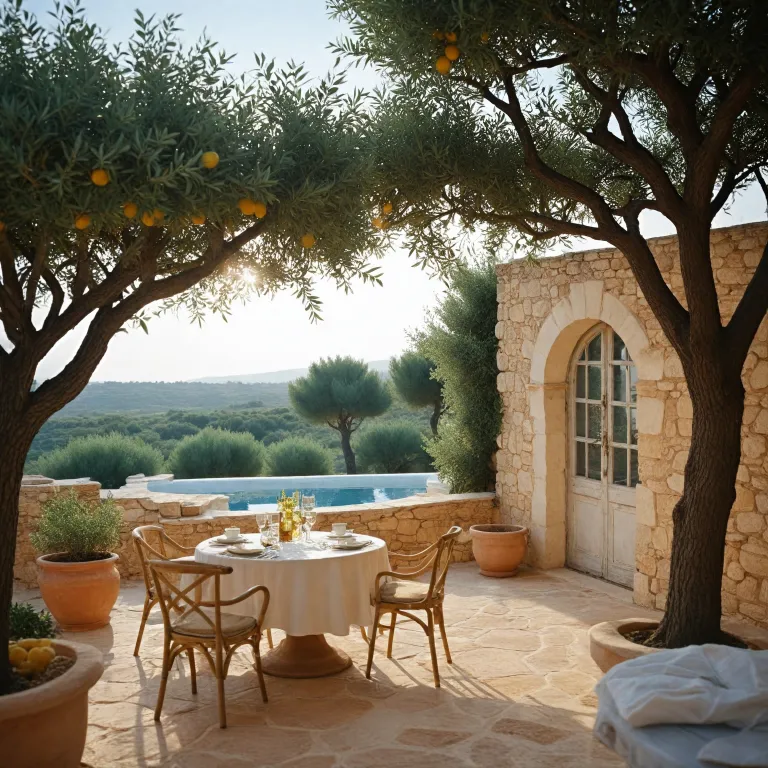
The Valle d’Itria, often written as valle itria, is the atmospheric heart of many Puglia travel itineraries. Here, traditional trulli and elegant masserie sit among olive groves, offering a refined stay in Puglia that feels both rural and luxurious. This area is ideal if you want a calm base with easy access to several characterful towns.
Locorotondo, Martina Franca, and Ostuni form a perfect triangle of itria towns for travelers who value charm and walkable historic streets. Each town has a compact centro storico with whitewashed lanes, baroque churches, and panoramic viewpoints over the valle itria countryside. Choosing a hotel or countryside masseria near one of these towns lets you enjoy quiet evenings while still reaching restaurants and wine bars within a short drive.
Many visitors ask what is a trullo and what is a masseria before booking. The answer is clearly defined in expert guidance : “What is a trullo? A trullo is a traditional Apulian dry stone hut with a conical roof, unique to the Itria Valley in Puglia.” and “What is a masseria? A masseria is a fortified farmhouse found in the Puglian countryside, many of which have been converted into boutique hotels or agriturismi.” These historic buildings now host premium stays that combine heritage architecture with contemporary comfort.
Coastal towns, city beaches, and where to stay by the sea
For travelers who prioritise the sea, choosing where to stay in Puglia often means focusing on coastal towns. Polignano a Mare and Monopoli, including the lively mare Monopoli waterfront, are popular options near Bari with dramatic cliffs, coves, and a classic city beach atmosphere. These towns offer a refined mix of historic centre charm, seafront promenades, and upscale hotel choices.
Further south on the Salento peninsula, Gallipoli and the area around Santa Maria di Leuca provide access to some of Puglia’s most celebrated beaches. Here, coastal towns combine fishing heritage with stylish bars and beach clubs, making them ideal for travelers seeking both relaxation and nightlife during their stay in Puglia. Many hotels and masserie in this area offer transfers to nearby beaches, which is useful if you prefer not to use your car every day.
When evaluating where to stay, consider whether you want to be inside a centro storico or closer to a larger city beach. Bari, with its atmospheric Bari Vecchia historic quarter, offers urban energy, while smaller coastal towns feel more intimate and resort like. If you rely on public transport, staying near Bari or along the Bari Lecce rail line can provide easier connections for a day trip or two without driving.
Historic centres and characterful towns for culture focused stays
Travelers interested in architecture, food, and local life often ask where to stay in Puglia for the richest cultural experience. In that case, basing yourself in or near a historic centre can be ideal, especially in towns like Lecce, Martina Franca, or Ostuni. Each of these towns offers a different expression of Puglian heritage, from baroque facades to whitewashed alleys.
Lecce, sometimes called the Florence of the South, makes an excellent base for exploring the Salento peninsula by car. Its centro storico is filled with palaces, churches, and refined restaurants, and many premium hotel options occupy restored noble residences. From Lecce you can plan day trips to Gallipoli, Otranto, and inland towns, balancing cultural visits with time on nearby beaches.
In the Valle d’Itria, Martina Franca and Locorotondo provide quieter alternatives with strong character. Their historic centres are compact yet atmospheric, and staying within walking distance of the main piazza allows you to enjoy evening passeggiata without needing a car. When planning your stay in Puglia, consider combining a few nights in a countryside masseria with a shorter stay inside a town’s historic centre for a varied experience.
Practical booking advice for a premium stay in Puglia
Planning where to stay in Puglia for a luxury or premium experience requires attention to timing and logistics. For peak summer months, it is wise to secure your preferred hotel or masseria several months in advance, especially in popular itria towns and coastal towns. This is particularly important if you want specific amenities such as a pool, spa, or on site fine dining.
Because public transport can be limited away from major routes, renting a car is strongly recommended for most travelers. Expert guidance confirms this clearly : “Is it necessary to rent a car in Puglia? Yes, renting a car is highly recommended as public transportation is limited, and many attractions are best accessed by car.” With a car, you can choose a tranquil base in the countryside and still enjoy easy access to beaches, hilltop towns, and cultural sites.
When comparing options for your stay in Puglia, look carefully at location descriptions and maps. Check how far your hotel is from the nearest town, whether the road access is straightforward, and if parking is included in the rate. For travelers considering private villas or high end countryside properties, this detailed guide to Puglia villa rentals offers additional insight into combining luxury and authenticity : Puglia villa rentals experience luxury and authenticity in southern Italy.
Designing an itinerary: how many bases and which towns
Once you understand where to stay in Puglia, the next step is deciding how many bases you need. Many travelers choose two main bases, one in or near the Valle d’Itria and another on the Salento peninsula or along the central Adriatic coast. This approach keeps driving times manageable and allows you to experience both inland itria towns and coastal towns with different atmospheres.
A classic combination is a stay near Ostuni or Martina Franca, followed by several nights close to Gallipoli or Santa Maria di Leuca. From an itria base you can plan day trips to Locorotondo, Cisternino, Alberobello, and the surrounding valle itria countryside. From a southern coastal base, you can explore beaches on both the Ionian and Adriatic sides, as well as inland villages and wineries.
Travelers who prefer to rely more on public transport might select Bari or Lecce as a primary base. Bari, with its lively Bari Vecchia and proximity to Polignano a Mare and mare Monopoli, offers a strong mix of city beach access and cultural interest. Lecce, connected by rail to several Salento destinations, works well for those who want a walkable historic centre and organised excursions for occasional day trips.
Environmental context and responsible stays in Puglia
Choosing where to stay in Puglia also means considering the region’s environmental and cultural context. A significant share of Puglia’s territory is protected natural area, and many masserie and hotels now integrate sustainability into their operations. By selecting properties that respect the landscape, you help preserve the countryside that makes the valle itria and Salento peninsula so appealing.
When planning your stay in Puglia, look for accommodations that support local producers, reduce water usage, and protect historic architecture. Many masserie near itria towns such as Martina Franca and Locorotondo offer farm to table dining, using olive oil, wine, and vegetables grown on their own land. Coastal towns are also increasingly attentive to beach cleanliness and marine conservation, which directly benefits visitors enjoying the region’s beaches.
Responsible travel choices extend to how you move between towns and beaches. While a car offers flexibility and easy access, consider grouping day trips to reduce unnecessary driving and parking pressure in small historic centres. Using public transport where practical, especially along the Bari Lecce corridor or between larger towns, can complement a car based itinerary and contribute to a more sustainable Puglia travel experience.
Key figures about Puglia’s natural heritage
- Approximately 75.8 % of Puglia’s territory is classified as protected natural areas, reflecting the region’s strong environmental value.
Questions travelers often ask about where to stay in Puglia
What is a trullo?
A trullo is a traditional Apulian dry stone hut with a conical roof, unique to the Itria Valley in Puglia. Many have been carefully restored and converted into characterful accommodation, often surrounded by olive groves. Staying in a trullo offers an immersive way to experience the rural landscape of the valle itria.
What is a masseria?
A masseria is a fortified farmhouse found in the Puglian countryside, many of which have been converted into boutique hotels or agriturismi. These properties typically feature courtyards, stone architecture, and extensive farmland or olive groves. Choosing a masseria for your stay in Puglia combines privacy, local cuisine, and a strong sense of place.
Is it necessary to rent a car in Puglia?
Yes, renting a car is highly recommended as public transportation is limited, and many attractions are best accessed by car. A vehicle allows you to reach smaller itria towns, remote beaches, and rural masserie that are not well served by buses or trains. For travelers planning several day trips across the region, a car provides flexibility and significantly broadens your options for where to stay.