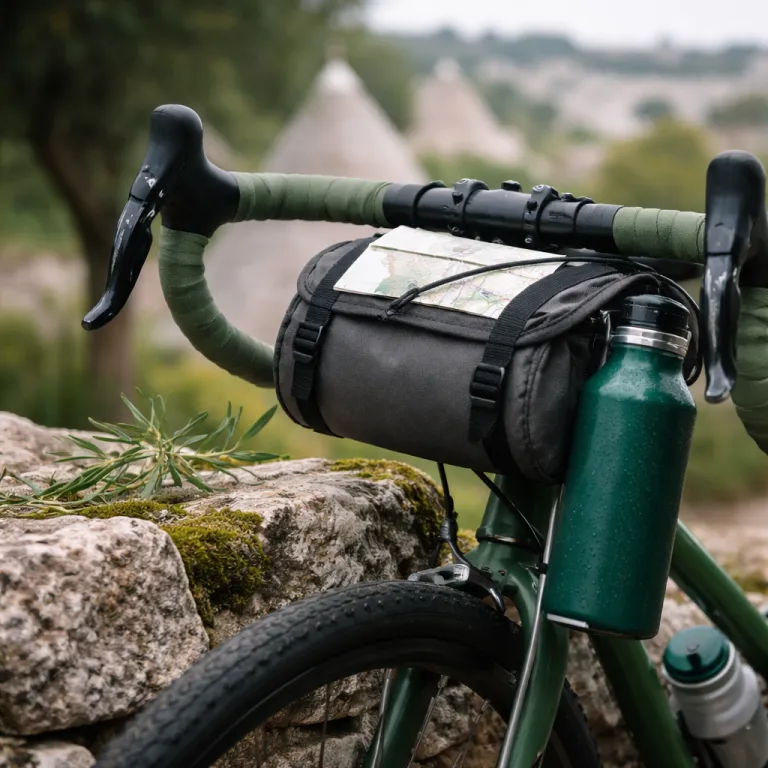
Valle d'Itria cycling for families who actually ride
Valle d'Itria cycling sits in the quiet heart of Puglia, between the Adriatic coast and the limestone plateau. This valley of trulli, dry stone walls and olive groves has become a discreet playground for families who want a real bike experience without sacrificing long lunches and a pool. When you choose a luxury masseria as your base, Valle d'Itria cycling shifts from abstract tour idea to a practical, elegant way to structure your Puglia days.
The regional tourism board has mapped a growing network of cycling routes between Martina Franca, Locorotondo, Cisternino, Alberobello and Ostuni, and e-bikes now sit lined up under pergolas at serious properties. Local tour operators and bike rental shops in this part of Italy have moved beyond token bikes, offering proper gravel bike options, child trailers and luggage transfer services that make a multi-day bike trip realistic for a premium family. As one local guide puts it without drama, “Spring and autumn offer mild temperatures and clearer light for riding,” and most official GPS tracks now include basic elevation profiles so you can judge gradients before you book.
For parents, the question is not whether Valle d'Itria cycling is beautiful, but whether a given route will work for an eight-year-old on a small bike on a hot day. The answer lies in choosing the right cycle tour format, understanding the heat window and booking guided bike support where it matters rather than everywhere. This guide focuses on four routes, each designed so you can book tour elements with confidence, match the cycling days to your children’s stamina and still arrive at dinner in Martina Franca or Ostuni looking composed, with realistic distances, climb figures and time estimates.
Four Valle d'Itria cycling routes that respect heat and gradients
The easy half-day loop starts and ends in Martina Franca, using a gentle section of the Ciclovia dell’Acquedotto Pugliese and quiet lanes through the Valle d'Itria. Expect around 20 to 25 km of cycling, modest elevation and long views over the valley that will keep children engaged without exhausting them. On most GPS route planners this loop shows roughly 200 to 250 m of total ascent and takes three to four hours door to door with café stops, which suits active younger riders.
A medium half-day route links Locorotondo and Cisternino, rolling through olive groves and vineyards on a mix of tarmac and well-packed gravel-bike-friendly tracks. Families who enjoy Valle d'Itria cycling can stretch this to a full day by adding a detour towards the trulli around Alberobello, but only if you respect the midday heat and plan a proper lunch stop. Many tour operators now structure their Puglia bike tours around this corridor, offering both self-guided tours with GPS and fully guided tours with a support van for luggage transfer and tired children, and typical profiles show 25 to 35 km with 250 to 300 m of climbing in four to six hours including breaks.
The ambitious full-day ride connects Martina Franca to Ostuni, with a descent towards the coast and then a climb back up to the white town. Strong teenagers on a quality bike will enjoy the 40-plus km distance and the roughly 380 m of elevation gain that local route planners often reference, while younger riders may prefer an e-bike or a split into two days of bike stages. For a kid-friendly loop, stay high in the Valle d'Itria between Locorotondo and Alberobello, where short cycle sections between gelato stops keep morale high and where you can always shorten the bike tour if the day warms up too quickly, aiming for 15 to 20 km in three relaxed hours.
Heat protocol, timing and the art of the long lunch
Valle d'Itria cycling only works in summer if you treat the heat as a design constraint, not an afterthought. From June to September, plan to start your cycle tour around 7 am, ride until late morning, then stop for a long lunch and a rest before a short late afternoon spin. This rhythm respects both the climate and the Italian day, and it lets you enjoy the valley rather than endure it, especially on routes that drop towards the Adriatic coast where temperatures rise quickly.
The most workable pattern for families is simple: ride from 7 am to 11 am, sit down for lunch at noon, then roll again from 4 pm to 6 pm when the light softens over the olive groves. Villages like Cisternino, Locorotondo and Martina Franca support this schedule because their trattorie actually open for lunch at the right time, while some coastal towns near the Adriatic coast skew later and can leave hungry cyclists waiting. When you book tour elements with local operators, ask explicitly which days bike-friendly restaurants are open, because midweek closures can derail even the best planned Puglia days, and confirm whether shaded water refill points exist along your chosen route.
Spring and autumn remain the most forgiving seasons for Valle d'Itria cycling, with mild temperatures that make a mid-morning coffee stop in Alberobello or a late afternoon wine tasting near Ostuni feel effortless. Regional experts summarise it clearly in their own words: “Start early to avoid heat”, “Stay hydrated”, “Wear sun protection”. Luxury hotels in the Heart of Puglia corridor now build this protocol into their cycling briefings, offering early breakfasts, shaded bike storage and flexible spa hours so you can turn a demanding bike trip into a civilised daily ritual, rather than a test of endurance for younger riders.
Family logistics; bikes, rentals, guides and realistic distances
For a premium family, the success of Valle d'Itria cycling hinges on logistics more than on scenery. The good news is that serious bike rental partners now operate in Martina Franca, Ostuni and Alberobello, supplying e-bikes, children’s bikes, child seats and even gravel bike models with wider tyres for the white roads. Many masserie in this part of Italy work with the same trusted tour operators, so you can arrange a guided bike tour, luggage transfer and emergency pick up through your hotel concierge, ideally reserving equipment at least two to four weeks in advance in peak season.
As a rule of thumb, an active eight-year-old on a correctly sized bike will manage 15 to 20 km in a day if the route is mostly flat, shaded and punctuated by swims or gelato, while teenagers can comfortably double that on a cycle tour with rolling terrain. E-bikes extend the range for adults and older children, but they do not remove the need for breaks, water and shade, especially on longer bike trips between Lecce, the Valle d'Itria and the coast. When you book tour services, ask whether the guided bike leader carries tools, spare tubes and maps, because not every operator offering Puglia bike tours provides the same level of support, and confirm how they handle minor mechanical issues on the road.
For families who prefer independence, self-guided tours with GPS tracks work well on the main Valle d'Itria corridors, provided someone in the group is comfortable navigating. Multi-day itineraries that link several hill towns can be made easier with luggage transfer between hotels, allowing you to ride light and arrive at your next masseria ready for a pool session rather than a negotiation over missing suitcases. If you are combining Valle d'Itria cycling with a stay in a coastal villa, it is worth reading a detailed guide to Puglia villa rentals and luxury stays, such as the one on Stay in Apulia, to align your accommodation choices with your cycling ambitions and your children’s realistic daily range.
Masseria bases, serious bike fleets and seasonal strategy
Choosing the right masseria base is the quiet secret of successful Valle d'Itria cycling for luxury travellers. Properties such as Borgo San Marco near Fasano, Masseria Cervarolo outside Ostuni and Cervo Bianco in the countryside around the Valle d'Itria are well known locally and have invested in proper bike fleets rather than a few rusty frames. You will see rows of e-bikes, children’s bikes and sometimes gravel bike models under the pergola, along with helmets and maps that reflect real local knowledge, and reception teams who understand how to read a basic route profile.
When you evaluate hotels in the Heart of Puglia region, ask specific questions: how many bikes do you have, do you work with a dedicated guided bike partner, can you arrange a same-day bike rental if we change plans. Serious properties will answer clearly, offer sample routes for one or more days of bike riding and explain how they coordinate with local tour operators for luggage transfer on a multi-day cycle tour. Less prepared hotels may still be excellent for a pool and a plate of orecchiette, but they will not support a structured bike tour across the valley in the way a cycling-focused masseria can, especially if you need child trailers or last-minute e-bike swaps.
Seasonality matters as much as infrastructure, because late May and late September offer the best balance of light, temperature and open services for Valle d'Itria cycling. August, by contrast, is unworkable for anyone serious about long tours, with heat that makes even short bike trips between Alberobello and Ostuni feel heavy by mid morning. If your Puglia days must fall in high summer, keep routes short, stay high in the Valle d'Itria, lean on guided tours that start early and let the afternoon belong to the pool, the olive oil tasting and the slow reset that makes the next day’s ride feel like a privilege rather than a test, supported by clear safety briefings from your hotel or tour leader.
FAQ; Valle d'Itria cycling for luxury minded families
What is the best time of year for Valle d'Itria cycling?
Spring and autumn are the most comfortable seasons for Valle d'Itria cycling, with mild temperatures and longer daylight hours. During these periods, you can plan half-day or full-day tours between Martina Franca, Alberobello and Ostuni without battling extreme heat. Summer rides are still possible, but they require very early starts, long midday breaks and shorter routes, especially for children, plus a clear hydration plan and sun protection for every rider.
Do I need to be an experienced cyclist to ride in the Valle d'Itria?
You do not need to be an experienced cyclist to enjoy the Valle d'Itria, because routes cater to various skill levels and e-bikes are widely available. Families can choose gentle bike tours along the aqueduct paths or more ambitious cycle tours that link several hill towns in a single day. Local guides and tour operators help match the route length and elevation to your fitness and your children’s abilities, and will usually brief you on basic road rules, emergency contacts and how to share the lanes with local traffic.
Are e-bikes and children’s bikes easy to rent in the Valle d'Itria area?
E-bikes, standard bikes and children’s bikes are now easy to rent in Martina Franca, Ostuni, Alberobello and other hubs in the Valle d'Itria corridor. Many luxury hotels partner with specialist bike rental shops that deliver equipment directly to your masseria and collect it at the end of your stay. You can also arrange gravel bike models, child seats and trailers through local tour operators who focus on Puglia bike experiences, and most will provide helmets, repair kits and a phone number for on-road assistance.
How long should a family plan to ride in a single day?
For a family with children, 15 to 25 km in a day is a realistic target on mostly flat terrain, especially if you include café stops and a proper lunch. Stronger teenagers and adults on e-bikes can comfortably extend Valle d'Itria cycling days to 40 km or more, provided you respect the heat and schedule a long midday pause. Multi-day itineraries work best when you combine moderate daily distances with luggage transfer between hotels, so each stage feels like a pleasure rather than an endurance test, and when every rider carries at least one water bottle and basic sun protection.
Can I organise a self-guided bike trip, or should I always book a guided tour?
Both options work in the Valle d'Itria, and the choice depends on your confidence and your family’s needs. Self-guided tours with GPS tracks suit experienced cyclists who are comfortable navigating and handling minor mechanical issues, while guided tours add local insight, on-the-road support and flexibility if the weather or the group’s energy changes. Many luxury masserie in the Heart of Puglia region can arrange a hybrid solution, with one or two guided days and several self-guided days, so you can balance independence with expert backup and still have a clear safety and logistics checklist for every ride.