Reading a masseria spa in Apulia before you book
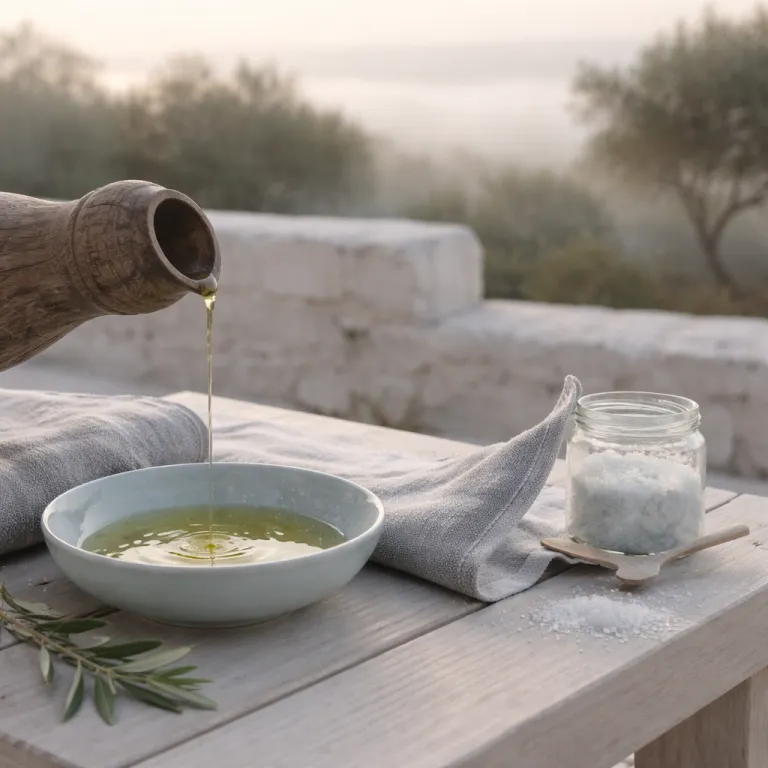
A serious masseria spa in Apulia feels rooted in the land. The best masserie in Puglia work with their own olive groves, kitchen gardens and ancient olive trees to shape every treatment, so a stay becomes a quietly immersive experience rather than a generic wellness add on. Couples planning travel around wellness should look for properties where the spa, the rooms and the wider estate speak the same calm, very Italian language.
Start with the first question to ask any masseria spa in Apulia before you check availability. Ask exactly where the olive oil used in treatments comes from, whether it is pressed from olives grown on the property or sourced from a named producer in Valle d’Itria or Salento, because provenance is the difference between a marketing story and a real connection. When a luxury hotel can walk you through cultivars, harvest dates and how the oil is stored, you know the spa is an integral part of the masseria rather than a neutral hotel facility; many spa directors in Puglia describe this as the point where “wellness” stops being a brochure word and becomes part of the estate’s daily work.
The second question is about access, because couples often underestimate how they will actually use the spa during a four night stay. Clarify the daily rate for spa access for non treatment guests, whether the pool, sauna and relaxation rooms are included, and if there are quiet hours reserved for adults only; in many Apulian retreats, a basic spa circuit pass can range from roughly €40 to €80 per person, with higher fees for peak season or private use. The third question is deceptively simple; ask what each practitioner knows about the place itself, from the history of the masseria torre to the surrounding olive trees and the nearest beach club, because a therapist who can talk about the land usually works differently on the body; one spa director in Valle d’Itria notes that “guests relax faster when they hear how the same olive trees outside their suite also nourish the oil on their skin.”
Wellness retreat or hotel with spa ; how to tell the difference
Not every masseria spa in Apulia is built for a wellness focused trip. Some properties are essentially a hotel with a pleasant spa wing, while others operate as full wellness retreats with programming that shapes your days, your meals and even how you move through the olive groves. Understanding the difference helps couples choose between a stay where the spa is a ninety minute interlude and one where it becomes the quiet centre of the experience.
Look at staffing first, because the number and type of practitioners tells you more than any brochure. A true wellness retreat in Puglia will have a multidisciplinary équipe of therapists, bodyworkers and sometimes medical consultants, often supported by yoga or movement specialists who coordinate with the kitchen on light, Italian leaning menus. A hotel with spa facilities may offer excellent massages in beautiful vaulted ceilings and stone rooms, but if there are only one or two therapists on rotation, you are not in retreat territory; as a broad industry guideline rather than a strict rule, destination spas often aim for several practitioners to cover each block of treatment rooms during peak season so that couples can book at the same time without long waits.
Programming is the next filter, and this is where places like Borgo Egnazia and Masseria San Domenico stand apart. Borgo Egnazia’s spa is widely cited as one of the most established destination wellness centres in southern Italy, built around an in house philosophy that weaves local rituals, music and seasonal rhythms into multi day journeys; published rates for signature olive oil rituals there have historically started in the high hundreds of euros for a 90 minute treatment, with exact prices varying by season and package. At Masseria San Domenico, the spa team integrates olive oil therapy based on specific cultivars, while sister properties near Savelletri Fasano such as Torre Maizza and Torre Coccaro pair treatments with access to a golf course, a private beach and a refined beach club; for a deeper look at this coastal cluster, see our detailed guide to Masseria Torre Coccaro and neighbouring retreats.
Iconic Apulian retreats where the spa is part of the landscape
Some masserie in Puglia have learned that the most persuasive spa is the land itself. Around Ostuni and Valle d’Itria, whitewashed properties with vaulted ceilings, thick stone walls and inner courtyards use architecture to hold the cool while the countryside does the rest. Couples who value quiet luxury should look for suites and bedrooms that open directly onto olive groves, because the line between room, terrace and earth matters more than the size of the pool.
Masseria Messapia, for example, offers elegant suites with private stone pools that feel carved from the landscape rather than dropped beside it. Masseria Surace and Masseria Rifisa both operate private spa areas with heated pools and panoramic relaxation rooms, while Masseria Muntibianchi and Masseria Palombara lean into eco conscious details such as organic gardens and outdoor cinema spaces that extend the evening beyond the hotel walls. These properties show how a masseria spa in Apulia can use modern wellness equipment without losing the agricultural soul that defines a true salento masseria; one guest at Masseria Palombara described the experience as “sleeping in a farmhouse, bathing in a spa and waking up in an olive grove, all at once.”
On the Adriatic side, the coastline between Savelletri Fasano and Polignano a Mare has become a quiet axis for high end wellness travel. Borgo Egnazia anchors this stretch with its village like layout and spa, while nearby Torre Maizza, Torre Coccaro and Masseria San Domenico share access to a golf course, a private beach and a network of beach clubs that turn the sea itself into a daily ritual; for couples considering Otranto and the eastern coast, our guide to elegant stays in Otranto helps frame how spa, sea and town life can work together. In the south, new projects such as Furnirussi are explicitly framing wellness around working orchards, proving that the next generation of masserie will keep the focus on trees, soil and sky rather than on ever larger indoor pools.
How to plan a four night couples stay around the spa
A four night stay at a masseria spa in Apulia gives enough time for the place to work on you, if you let it. The aim is to let the spa earn its place in the rhythm of your days, rather than treating it as a single ninety minute booking squeezed between sightseeing in Ostuni and a late dinner. Think of the spa, the room and the wider estate as one continuous space, where the most powerful rituals are often the unbookable ones.
On day one, keep things simple and let your bodies arrive. Check availability for a late afternoon access slot to the spa pool and thermal area, then walk slowly back through the olive trees or along the torre walls to your room, where air conditioning, quiet lighting and perhaps a small terrace will help you reset after travel. Skip heavy treatments on the first night and instead ask for a tisane made from herbs in the kitchen garden, or a small tasting of the estate’s olive oil with bread before dinner; this is also a good moment to confirm opening hours, whether you need to pre book each spa circuit and how to reach the spa reception from your suite.
Days two and three are where you build structure, especially if wellness is the main purpose of the trip. Book one key treatment per day, ideally in the late morning, leaving afternoons free for slow swims, naps in your suites or bedrooms and unhurried walks through the olive groves or down to the beach club if your masseria has sea access. A practical pattern is 09:00 breakfast, 10:30 to 12:00 treatment, 13:00 light lunch, 15:00 pool or sea time, 18:00 quiet hour in your room and 20:30 dinner. Use one evening to explore a nearby town such as Polignano a Mare or Ostuni, and another to stay in, eat under the stars and feel how the masseria itself becomes the quietest spa of all.
Practical criteria for choosing the right masseria spa in Apulia
Choosing the right masseria spa in Apulia starts with clarity about what you want from the stay. Couples seeking a full wellness immersion should prioritise properties like Borgo Egnazia or Masseria San Domenico, where spa programming, food and daily rhythms are tightly coordinated, while those who prefer more independent travel might lean towards Masseria Messapia, Masseria Surace or Masseria Palombara, where the spa is intimate and the estate encourages wandering. Either way, the most satisfying experiences come when the spa feels like an extension of the land, not a sealed off amenity.
Rooms and suites deserve as much attention as treatment menus, because this is where you will feel the afterglow of each ritual. Look for bedrooms with natural materials, good air conditioning and windows that open onto olive trees or inner courtyards, rather than onto car parks or service areas, and pay attention to how the hotel describes its vaulted ceilings, stone details and lighting. When you check availability, ask whether spa access is included in the room rate, whether couples can reserve private time in the pool or thermal areas, and how busy the facilities become at peak hours; typical inclusions might be one complimentary 60 minute spa circuit per day, a welcome ritual such as a short foot bath or scrub, and discounted rates on additional 50 to 80 minute treatments booked in advance.
Location is the final filter, especially if you want to balance wellness with sea and culture. Properties around Savelletri Fasano and Torre Maizza offer easy access to a golf course, a private beach and refined beach clubs, while inland estates in Valle d’Itria trade waves for silence among ancient olive trees and trulli dotted hillsides; our coastal overview of Apulia’s finest seaside luxury hotels is a useful companion when you are mapping options. Remember that “What is a masseria?”, “Are masserias suitable for families?”, “Do masserias offer local cuisine?”, “Is transportation provided to masserias?” and “Are spa services included in the stay?” are not just generic questions from tourism boards, but practical prompts you should raise directly with each property before you book; use them as a checklist alongside more specific queries about opening hours, cancellation policies, whether treatments can be taken in room or only in the spa, and which email or WhatsApp contact is best for confirming last minute changes.
FAQ
What is a masseria spa in Apulia and how is it different from a standard hotel spa ?
A masseria spa in Apulia is a wellness space housed within a traditional Apulian farmhouse estate, often surrounded by olive groves and agricultural land. Unlike a standard hotel spa, it usually integrates local elements such as estate pressed olive oil, herbs from the kitchen garden and sometimes Adriatic salt or sea air into treatments. The architecture, with thick stone walls and vaulted ceilings, also shapes the atmosphere, making the spa feel inseparable from the wider property.
How can couples tell if a masseria offers a true wellness retreat rather than just a hotel with spa ?
Look at the depth of programming and the size of the practitioner team. A true wellness retreat will offer multi day journeys, movement classes, nutrition guidance and coordinated menus, often with several therapists on staff and a clear philosophy or method that ties treatments together. A hotel with spa may still be excellent, but will usually focus on à la carte treatments with less structured daily programming.
Are spa services usually included in the room rate at Apulian masserie ?
In many masserie, basic access to facilities such as the pool, sauna or relaxation rooms may be included, while treatments are charged separately. Some luxury properties offer packages where a certain number of massages or rituals are bundled into the stay, especially for longer visits. It is always best to ask directly about what is included when you check availability, as policies vary widely and seasonal offers can change from year to year.
Which areas of Puglia are best for combining spa time with the sea ?
The stretch of coast around Savelletri Fasano, Torre Maizza and Torre Coccaro is ideal for couples who want both serious spa time and easy access to a private beach or curated beach club. Here, properties like Borgo Egnazia and Masseria San Domenico combine destination level spas with golf courses and Adriatic views. Further south, the Otranto area and parts of Salento offer a quieter, more low key mix of sea, spa and countryside.
Do masserie in Apulia cater to non wellness activities as well ?
Yes, most masserie balance wellness with broader experiences such as cooking classes, wine and olive oil tastings, cycling through olive groves and day trips to towns like Ostuni or Polignano a Mare. Some estates near Savelletri Fasano also offer access to a golf course or water based activities through their beach clubs. This mix allows couples to shape stays where spa rituals sit alongside culture, food and gentle exploration.