From hotel lobby to the marble tables of Bari Vecchia
Step out of your luxury hotel in Bari and walk towards the old town just after breakfast. Within ten minutes you leave polished marble lobbies behind and enter the tight stone alleys of Bari Vecchia, where the air smells of flour and sea. This is where the story of bari vecchia orecchiette quietly begins for any serious food focused traveler.
The most direct route is to follow any shaded strada that leads towards the cathedral, then slip into the narrow street under the low arch known as Arco Basso. Here, on Strada Arco Basso and the nearby Strada delle Orecchiette, you meet the local women who turn semolina flour and water into fresh pasta with a single thumb movement. Their wooden tables spill onto the street, and the soft tap of knives shaping orecchiette pasta becomes the soundtrack of your morning in Puglia.
This is not a staged show for passing tour groups ; it is a working open air pasta making line that supplies homes, trattorie and even ambitious kitchens beyond Bari. Local women sit in the shade, making pasta in a rhythm learned from mothers and grandmothers, and the famous pasta they produce is sold by weight in simple plastic trays. For a solo traveler used to tasting menus, this authentic contact with the source of bari vecchia orecchiette resets your expectations of what luxury dining in Puglia should mean.
The morning itinerary on Strada delle Orecchiette and Arco Basso
Plan your morning around the light, because the pasta ladies usually work from late morning into the early afternoon. Start at the wide street near the seafront, then drift into the cooler lanes until you reach the cluster of wooden tables under the low stone arco that signals Arco Basso. Here, Strada delle Orecchiette and the surrounding strada network form a compact stage where bari vecchia orecchiette is rolled, shaped and laid out to dry.
Walk slowly along each street and watch how every pair of hands gives the orecchiette a slightly different shape, some tighter and cupped, others flatter and more open. The pasta making technique is always the same ; a strip of fresh pasta is cut, then dragged with a knife and flipped over the thumb to create that signature ear. You will see trays of fresh orecchiette dusted with semolina flour, ready to become orecchiette pasta with cime di rapa in a family kitchen or a refined plate in a Michelin level dining room in Puglia.
Buying is simple and refreshingly direct for a traveler used to online booking forms and tasting menu deposits. Bring cash in small notes, ask the ladies Bari Vecchia for a kilo or half kilo of handmade orecchiette, and expect to pay roughly the price of a glass of wine in a luxury hotel bar. There is no haggling here ; the local women are professionals, their famous pasta is fairly priced, and your role is to respect the tradition, enjoy the experience and carry a piece of Bari back to your masseria or premium city hotel. For a deeper sense of how this tradition feeds the region’s fine dining, read about the Salento gastronomy shift at Dissapore Carovigno in our dedicated guide to the new Michelin star in Apulia.
Reading the doorways : authentic tradition versus performance
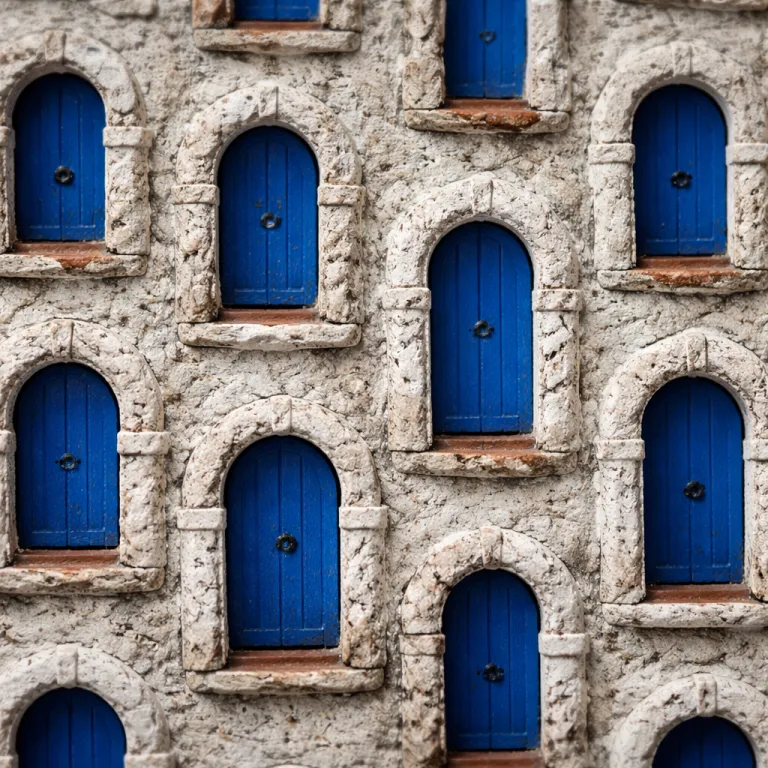
Not every doorway in Bari Vecchia tells the same story, and a discerning traveler should learn to read the signs. On Strada Arco Basso and the nearby strada network, the most authentic pasta making happens where the wooden boards are worn, the knives are small and old, and the conversation between local women flows without pause. These are the doorways where bari vecchia orecchiette is part of daily life, not a staged attraction.
Performative versions tend to appear on the wider street corners closer to the main tourist routes, where the trays of fresh pasta look too perfect and the interaction feels rehearsed. In those spots, you may see orecchiette pasta laid out in uniform rows, with laminated signs and prices aimed at quick photo stops rather than regular customers from Bari. The real tradition usually shows in the small imperfections of each orecchietta shape, in the mix of sizes on the table, and in the way the pasta ladies glance up only briefly before returning to making pasta for their families and for the neighborhood.
Respect is the quiet luxury you bring to this experience, just as you would in a high end hotel restaurant. Ask before taking photographs, because “Is photography allowed?” and “Can visitors buy orecchiette on-site?” are questions that have been answered clearly by the local tourism board ; “Yes, but always ask for permission first.” and “Yes, freshly made orecchiette are available for purchase.” When you visit strada Arco Basso with this attitude, you become part of the living infrastructure that keeps Bari famous for its orecchiette, rather than another anonymous visitor ticking off things in Bari from a list.
From street marble to Michelin plates and masseria kitchens
Once you have stood beside the wooden tables of Strada delle Orecchiette, every plate of pasta in Puglia tastes different. You understand that the flour and water on those boards are the same basic elements that appear, transformed, in the orecchiette al sugo served at your luxury masseria or in a refined seafood ragù at a Michelin starred dining room. The bari vecchia orecchiette tradition is not a side show ; it is the operating system behind the region’s most ambitious kitchens.
Chefs across Bari and Salento, from Conversano to Carovigno, build their menus on this grammar of fresh pasta, semolina flour and patient making. When you sit down at a long lunch in a premium hotel restaurant and see handmade orecchiette paired with local octopus or wild fennel, you can picture the pasta ladies of Bari Vecchia shaping each piece on the same marble their mothers used. That mental link between street and star level dining is what turns a simple plate of famous pasta into a layered experience for a solo traveler who cares about provenance.
Back at your hotel, ask where the orecchiette pasta comes from, and listen carefully to the answer before you order. A property that can trace its fresh orecchiette to specific local women or to a trusted Bari producer is usually the same kind of place that curates serious wine lists and invests in thoughtful service. If you are planning a wider itinerary of luxury hotels with private jacuzzis and strong culinary programs, our guide to experience Apulia’s finest luxury hotels with private jacuzzis will help you align your room choices with the kitchens that respect this tradition. In Puglia, the real measure of hospitality is often what happens in the pot, not just what waits in the spa.
A solo traveler’s half day in Bari Vecchia without clichés
Designing a half day around bari vecchia orecchiette lets you move through Bari with intention rather than as a cliché hunter. Start early from your hotel, walk the seafront for a few minutes, then cut into the vecchia quarter towards Strada Arco Basso before the crowds arrive. This timing gives you space to watch the pasta making in silence, to hear the knives on wood and the low conversation of ladies Bari Vecchia without a wall of phones between you and the scene.
After buying a small bag of fresh orecchiette, continue along the street until the smell of focaccia barese pulls you towards Panificio Fiore or another respected bakery. A still warm slice, oily with local olive oil and dotted with tomatoes, is the ideal bridge between the flour water simplicity of the pasta and the richer seafood you will meet later. From here, walk towards the port and claim a table at a simple raw fish spot such as Cala Marisa, where crudo di pesce and a glass of chilled white wine show another face of Bari famous for its maritime tradition.
End your half day with a long lunch at La Tana del Polpo or a similar address, where you can order orecchiette pasta with seafood or vegetables and test how the kitchen handles this humble shape. Sitting alone at a table here does not feel lonely ; it feels like the natural continuation of a morning spent in the doorways of Bari Vecchia, watching local women turn semolina flour into fresh pasta. By the time you return to your luxury hotel, you will read every menu in Puglia differently, because you have seen the strada delle orecchiette and the arco Basso where the region’s culinary language is still being written.
Why Bari’s doorways matter more than any star rating
There is a quiet conversation among food travelers about why Bari seems underrepresented in the Michelin guide compared with the fireworks further south in Salento. Spend a morning on Strada Arco Basso, though, and the answer feels less urgent, because the real authority here sits behind wooden tables rather than in dining rooms with starched linen. The pasta ladies of Bari Vecchia, shaping each orecchietta with a thumb and a knife, are the reason chefs in Puglia can build such confident menus in the first place.
For a traveler booking luxury hotels through a curated platform, this matters because it shifts how you evaluate a property’s gastronomic promise. A hotel that understands the weight of this tradition will talk about its relationships with local women, its sourcing from Bari Vecchia, and its respect for fresh orecchiette rather than just listing pasta on a menu. When you hear a chef speak about making pasta in house with semolina flour and water, and about visiting the strada delle orecchiette to learn from the famous ladies, you know you are in the right dining room.
Think of bari vecchia orecchiette as the key that unlocks the rest of your Apulian itinerary, from masseria breakfasts to tasting menus in converted palazzi. The more you understand the strada, the arco, the basso doorways and the vecchia stones where this fresh pasta is shaped, the more every subsequent meal in Puglia gains depth. In the end, the most meaningful things in Bari are not the stars printed in a guidebook but the unbroken line of hands making pasta on a sunlit street, and your choice of hotel should bring you closer to that experience rather than insulating you from it.
FAQ
When is the best time to see orecchiette being made in Bari Vecchia ?
The most reliable window is late morning to early afternoon, when around twenty pasta makers usually work along Strada Arco Basso and the nearby lanes. Arriving before large tour groups gives you a calmer, more authentic experience of bari vecchia orecchiette. Early visits also mean cooler temperatures and better light for observing the details of the pasta making.
Can visitors buy fresh orecchiette directly from the pasta ladies ?
Yes, visitors can buy handmade orecchiette directly from the local women who work on Strada delle Orecchiette and around Arco Basso. The fresh pasta is sold by weight, typically in simple trays or bags, and prices are modest compared with restaurant dishes. Bring cash in small denominations, avoid bargaining and remember that you are supporting a living tradition in Bari.
How should I behave when taking photos of the pasta makers ?
Always ask permission before pointing a camera at the pasta ladies or their wooden tables. Some local women are comfortable with photography, while others prefer to work without constant lenses in their faces, especially when they are making pasta for family meals. A polite greeting, a small purchase of orecchiette and a respectful distance usually create a positive interaction for everyone.
Is it safe and comfortable for a solo traveler to explore Bari Vecchia ?
For most visitors, Bari Vecchia feels welcoming during the day, especially along the main street routes between the seafront, the cathedral and Strada Arco Basso. Solo travelers should follow standard city awareness, stick to well used lanes and avoid very late night wandering in unfamiliar alleys. Staying in a centrally located premium hotel in Bari makes it easy to walk to the pasta making streets and return comfortably after your visit.
How does this pasta tradition influence what I should order in Apulian hotels ?
After seeing bari vecchia orecchiette made by hand, you can ask more precise questions in hotel restaurants about their pasta. Look for menus that highlight fresh orecchiette, specify semolina flour and water dough, and reference local women or Bari producers as partners. Properties that care about this level of provenance usually deliver stronger overall dining experiences, from breakfast buffets to fine dining tasting menus.