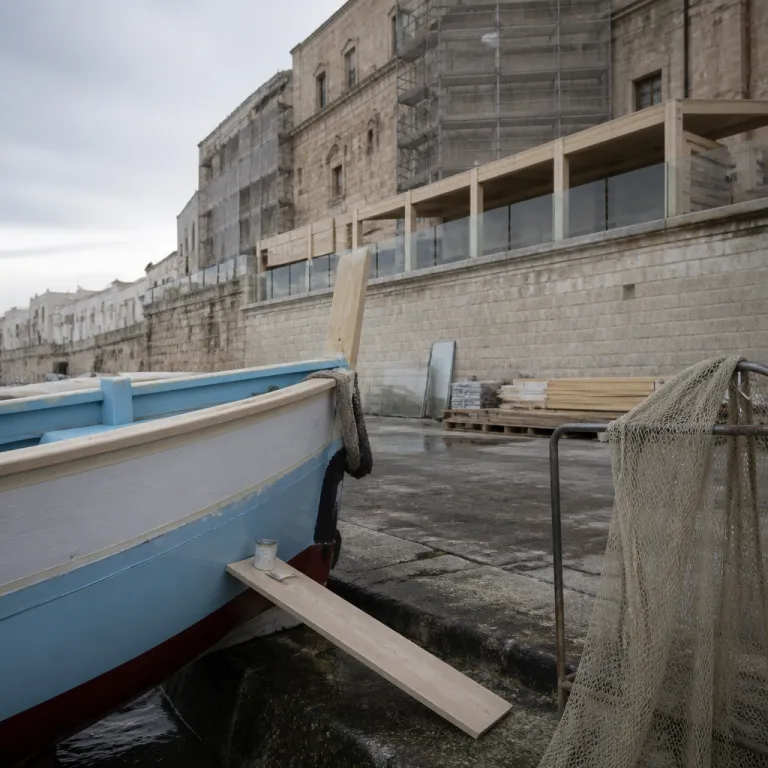
Gallipoli Puglia guide to a divided seaside town
Gallipoli sits on the Ionian Sea, a town that splits opinion. The modern city on the mainland pulses with clubs and traffic, while the historic center on its island feels carved from another century and another pace. Any serious Gallipoli Puglia guide must help you navigate both faces and decide whether to stay overnight or treat it as a focused day trip.
The fortified Gallipoli town rises from the water, its centro storico linked to the mainland by a seventeenth century bridge that once guarded a strategic port for the Kingdom of Naples. Today the same bridge delivers you from the new city chaos into a walled maze of palazzi, churches and lanes where laundry still flaps above stone alleys and the sea appears at the end of every street. This contrast between the old city and the new town is exactly why Gallipoli Puglia divides travelers who expect a quiet coastal retreat in southern Italy.
Gallipoli’s old town evolved from a fishing port to a luxury tourist destination, and that transformation is still visible in every restored palazzo and every new design hotel. The methods have been clear and deliberate: restoration of historic buildings, development of high-end accommodations and promotion of upscale tourism have reshaped the island. For luxury travelers using a Gallipoli Puglia guide, the question is not whether to visit Gallipoli, but how to time your stay so you enjoy the best things while respecting the town’s fragile balance between local life and visitor expectations.
Walking the island: churches, city walls and the morning fish market
Start your first day in Gallipoli before the sun climbs, when the town still belongs to fishermen and bakers. Cross the bridge and turn left along the city walls, where the Ionian Sea slaps the stone and the light catches the whitewashed houses of the historic center. This early circuit is the backbone of any thoughtful Gallipoli Puglia guide, because it shows you the working port beneath the postcard.
At the base of the castle, the fish market comes alive with crates of silver anchovies, octopus and scorpion fish still twitching. This fish market is one of the best things in Puglia for travelers who care about food culture, and it anchors the narrative that Gallipoli remains a real fishing city despite its nightlife reputation. “What is Gallipoli's old town known for? Historic charm, working-harbour character and growing luxury tourism.”
From here, slip into the centro storico and follow the curve of the city walls towards Spiaggia della Purità, the small town beach that locals still call spiaggia della Purità. Along the way you pass baroque churches such as Santa Maria della Purità, whose interior glows with paintings funded by the confraternities of sailors and fishermen. If you have already explored another coastal town using a refined travel guide such as this take on Polignano a Mare beyond the cliff dive, you will recognise the same tension between tourism and tradition, but in Gallipoli the scale feels more compressed and the stakes for residents more immediate.
Seaside escapes: beaches from della Purità to Baia Verde
For many readers of a Gallipoli Puglia guide, the decision to stay or simply plan a day trip turns on the beaches. Within the city walls you have Spiaggia della Purità, a crescent of sand pressed against the historic center where children learn to swim and older residents wade in the Ionian Sea before lunch. This small beach is atmospheric rather than expansive, and it works best for a quick swim between cultural visits in the town.
South of Gallipoli town, the coastline opens into a string of beaches that have made this part of Puglia famous among Italian holidaymakers. Baia Verde is the most talked about stretch, a long sandy bay where the sea turns a pale turquoise and beach clubs line the shore with loungers, music and late afternoon aperitivi. If you are comparing Puglia beach resorts using an elegant guide to Italy’s coastal luxury, you will find that Baia Verde offers energy and social life, while quieter coves further south suit travelers who prefer a more discreet stay.
These beaches are a major reason why Gallipoli Puglia attracts a younger crowd in peak season, which can clash with the expectations of travelers seeking calm. The best strategy is to use the town as a base in shoulder seasons such as late May, June and September, when the same beaches feel almost private and the sea remains warm enough for long swims. A well planned travel guide will suggest timing your visit Gallipoli around these windows, so you enjoy the best things about the coastline without the late night noise that defines the high summer party image.
Where to stay in Gallipoli’s historic palazzi
The most rewarding way to stay Gallipoli is to sleep inside the historic center, where thick stone walls mute the nightlife and the sea breeze replaces air conditioning. Many seventeenth and eighteenth century palazzi have been restored as intimate luxury properties, often with just a handful of rooms and a rooftop terrace facing the Ionian Sea. These addresses are the quiet answer to the town’s party reputation, and any serious Gallipoli Puglia guide will focus on them rather than the larger hotels along the mainland strip.
Palazzo Flora, on Via Carlo Muzio in the old town, is a good example of how Gallipoli’s old aristocratic houses have been reimagined for modern travelers. Behind a modest doorway you find vaulted ceilings, patterned tiles and a courtyard where breakfast often features local olive oil, figs and warm pastries from a nearby forno. Similar palazzo conversions cluster around the lanes near Santa Maria della Purità and the castle, giving you easy access on foot to the fish market, Spiaggia della Purità and the best seafood restaurants in town.
Parking is the main practical challenge when you stay in the centro storico, because the island is a restricted traffic zone (zona a traffico limitato, or ZTL) and cars are not allowed inside the old city. “Is the old town accessible by car? No, it's a restricted traffic zone.” Most luxury properties arrange private transfers or reserved parking on the mainland near the port area or along Corso Roma, and a good travel guide will encourage you to embrace this car free rhythm as part of the experience. If you are planning a wider itinerary that combines Gallipoli Puglia with other refined stays, resources such as Venezia luxury hotel stays for refined Apulian journeys can help you balance seaside escapes with inland cultural stops.
Eating the sea: seafood tables, olive oil and real Gallipoli life
Gallipoli is one of the best places in Puglia to understand how a fishing town feeds itself, and why seafood here tastes so clean. The rhythm starts at the fish market, where restaurant buyers and nonne choose their catch for the day, and continues in trattorie where menus change according to what the Ionian Sea has given. Any honest Gallipoli Puglia guide will tell you that the most memorable meals are often the simplest plates of grilled fish, raw prawns and pasta with sea urchin.
Look for small dining rooms in the historic center where the focus stays on ingredients rather than design. Many of these kitchens work closely with local producers of olive oil, vegetables and wine, creating a short list of dishes that reflect both the sea and the Salento countryside. You might find a plate of frisella softened with tomato and oil alongside crudo di mare, or a bowl of orecchiette dressed with cime di rapa and anchovies, reminding you that Gallipoli town is as connected to its hinterland as it is to the water.
Names such as Palazzo Flora or the historic palazzo of Antonietta Pace appear not only in accommodation listings but also in conversations about how to preserve the city’s character while welcoming visitors. “Are there concerns about over-tourism? Yes, debates on commercialization exist.” Local press, municipal planning documents and regional tourism reports regularly discuss how to manage short-term rentals, nightlife and heritage protection. Luxury travelers who care about culture and heritage can support the better side of this transformation by choosing restaurants that employ local residents, respecting quiet hours in the centro storico and planning their stay to avoid the most intense party weeks. In doing so, your visit Gallipoli becomes part of a longer story about how a once modest fishing port negotiates its new role as one of Italy’s most divisive seaside destinations.
When Gallipoli works for luxury travelers
Gallipoli receives significant visitor numbers each year, and a noticeable share of its accommodations now fall into the boutique and luxury category. That scale is considerable for a relatively small city, and it explains why the town can feel crowded and loud in high summer. A thoughtful Gallipoli Puglia guide therefore focuses less on whether you should go, and more on when and how you shape your time in the city.
For solo travelers and couples seeking calm, the best things about Gallipoli emerge in the shoulder seasons and in the early hours of the day. Walk the city walls at sunrise, visit Santa Maria della Purità before the doors close at midday, then retreat to your palazzo terrace while the town heats up. Late afternoon is ideal for a swim at Spiaggia della Purità or a short taxi ride to Baia Verde, followed by an aperitivo overlooking the sea and a seafood dinner that starts earlier than the local crowd.
Gallipoli also works well as a day trip from Lecce or from inland masserie, especially if you are already staying at one of Puglia’s coastal luxury bases and want a sharper, more urban contrast. A balanced travel guide might suggest combining a stay in Lecce’s baroque city center with one or two nights in Gallipoli town, so you experience both the architectural drama and the working port. For those planning a longer itinerary across Puglia’s beaches and cities, resources such as the blog on Puglia beach resorts can help you decide how much of your stay to allocate to Gallipoli versus quieter stretches of the Ionian Sea.
FAQ
Is Gallipoli’s old town worth visiting for luxury travelers ?
Yes, Gallipoli’s historic center is worth visiting if you value character, sea views and access to authentic seafood culture. The key is to stay inside the old town, choose restored palazzi with good soundproofing and plan your time around early mornings and shoulder seasons. This approach lets you enjoy the charm and comfort while avoiding the noisiest nightlife.
How many days should I plan in Gallipoli town ?
Two to three nights work well for most travelers using a Gallipoli Puglia guide. That gives you enough time to walk the city walls, visit the main churches, explore the fish market and spend at least one relaxed day on the nearby beaches. If you prefer a quieter base, you can also treat Gallipoli as a day trip from Lecce or from a countryside masseria.
Is it easy to park when staying in the historic center ?
Parking inside the old town is not possible because the island is a restricted traffic zone. Most luxury properties offer reserved parking on the mainland or arrange private transfers from nearby car parks to your palazzo. It is wise to confirm parking details before you book, especially in peak season when spaces around the city fill quickly.
What is the difference between Spiaggia della Purità and Baia Verde ?
Spiaggia della Purità is the small town beach directly below the city walls of the historic center, popular with locals and ideal for a quick swim. Baia Verde is a longer sandy bay south of Gallipoli with beach clubs, music and a livelier atmosphere that attracts a younger crowd. Luxury travelers often swim at Spiaggia della Purità in the morning and visit Baia Verde in late afternoon when the light softens.
Are there concerns about over tourism in Gallipoli ?
Yes, local residents and authorities debate how to balance economic benefits from tourism with the preservation of community life and heritage. Rising property prices and the growth of luxury accommodations have changed the social fabric of the town. Choosing respectful operators, visiting outside peak weeks and supporting year round businesses can help mitigate some of these pressures.