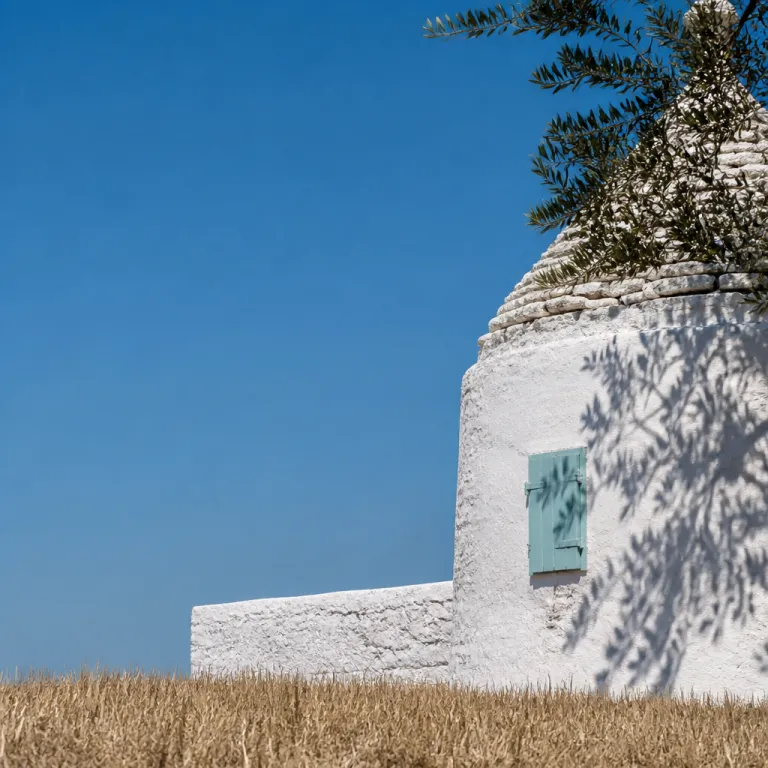
June in the Itria Valley: green light and quiet lanes
June is when an Itria Valley summer still feels like a secret. The hills between Martina Franca, Locorotondo and Cisternino glow green, and the trulli houses sit in fields that have not yet turned to straw. This is the moment when you can read the Valle d’Itria landscape slowly, one dry stone wall and one line of olive trees at a time.
Days are long, the air is soft, and local farmers move between vineyards and olive groves before the heat peaks. Climate records from Apulia’s regional weather service and MeteoAM, Italy’s Aeronautica Militare meteorological network, indicate average highs in the mid to high twenties Celsius in June, so you can walk the lanes of the Itria Valley and still feel the breeze from the Adriatic Sea. The often quoted guidance that “June to September offers warm weather and vibrant landscapes” is nowhere more evident than in this valley Italy carved between the coast and the higher plateau.
Base yourself near Martina Franca if you want culture with your countryside holiday. Opera rehearsals for the Festival della Valle d’Itria, usually held from mid July to early August according to the festival’s official programme, spill from baroque palazzi, while whitewashed villages nearby prepare for summer festas with lanterns and food stalls. A short day trip of around 25 minutes by car takes you to Ceglie Messapica, where serious food lovers read Puglia through plates of handmade pasta, grilled lamb and dense local olive oil.
For luxury travelers, June is the month to secure the best places before peak prices arrive. High end masserie across Apulia open their pools, but the atmosphere remains unhurried and staff have time to talk you through their organic olive farming or the story behind each restored trullo house. If you plan to visit Puglia with children, this is also when family friendly estates feel calmest, and guides can tailor gentle cycling or easy walks across the Itria Valley landscape; as a rule of thumb, book your preferred countryside stay at least three to four months in advance for this period, and check transfer times from Bari or Brindisi airports so arrival feels smooth.
July: festival season and the deepening of summer
By July, an Itria Valley summer has fully committed to heat and light. Historical averages from Italian meteorological data published by MeteoAM and ISTAT show high temperatures around 29.6 °C and warm nights above 20 °C, reshaping the rhythm of the day and pushing serious activity to early mornings and late evenings. Luxury hotels and masserie in Apulia respond with shaded pergolas, late breakfasts and staff who quietly steer you towards the right hour to visit the Itria Valley hill towns.
This is festival season, when the Itria Valley becomes a cultural amphitheatre. The Festival della Valle d’Itria in Martina Franca brings opera into courtyards and palazzi, while the Locus Festival, typically scheduled across July and August according to its official calendar, threads jazz and electronic music through whitewashed villages like Locorotondo. Between performances, guests drift back to countryside retreats where trulli houses sit among olive trees, and where a private chef can translate Puglia’s distinctive flavours into a quiet dinner by the pool.
July is also when agritourism comes into its own in southern Italy. Local farmers balance traditional farming techniques with sustainable practices, and many estates now invite guests into vineyards and olive groves for tastings and short walks. If you want to go beyond the hotel gates, plan a half day around the agricultural cooperatives and producers highlighted in this guide to Pugliese farms and cooperatives worth a visit in the Itria Valley.
On the coast, the Adriatic beaches near Polignano a Mare and Monopoli start to fill, but a well connected concierge can still secure a quiet lido or a late table above the sea. Many travelers split their stay between an inland Itria Valley base and a few nights in a coastal town, using drivers or regional trains from Martina Franca and Fasano to move easily between trulli landscapes and beach clubs; allow roughly 40 to 60 minutes by car between Valle d’Itria hill towns and the Adriatic, and factor in slower regional trains if you are travelling without a hire car. If you like to read Puglia slowly, July rewards those who embrace the siesta and treat each evening as a fresh chapter.
August: golden stone, Ferragosto energy and peak prices
August in the Itria Valley summer is unapologetically intense. The light turns brassy, the stone of the trulli and masserie glows honey gold, and Ferragosto on 15 August brings a collective exhale that feels almost theatrical. This is when Puglia, in both its towns and villages, fills with Italians on holiday and with international regulars who book the same suites year after year.
Temperatures remain high, with average lows around 22 °C according to long term climate summaries for inland Apulia compiled by MeteoAM and regional agencies, so high end properties lean into shaded courtyards, thick stone walls and cleverly oriented pools. You will feel the heat most in the middle of the day, which is why the local siesta rhythm is non negotiable if you want to enjoy evenings in Martina Franca or Ceglie Messapica. Many guests use the hottest hours to read Puglia travel essays, swim lazy laps or book spa treatments that use local olive oil and Itria Valley herbs.
On the design front, August is when the contrast between whitewashed villages and the surrounding Itria Valley countryside feels sharpest. Hilltop town silhouettes stand out against a deep blue sky, and photographers talk about this as the month when trulli houses are at their most photogenic. If you plan to visit Puglia’s Adriatic coast, expect busy beach clubs near Polignano a Mare, but also crystalline sea and long evenings that slide easily from aperitivo to dinner.
Because this is peak season, booking strategy matters for any high end stay in Apulia. Reserve your preferred masseria or countryside hotel months ahead, and ask explicitly about shaded outdoor dining, late check out options and transfers between Itria Valley properties and the coast. For active travelers, consider early morning rides using this cycling guide to the Itria Valley hill towns, then retreat to your room while the sun is at its highest; prices for private guides and drivers rise in August, so confirm budgets when you book.
September: harvest light and a quieter, richer valley
By September, the Itria Valley summer softens into something more reflective. Evenings cool, the crowds thin, and you can once again hear the rustle of olive trees and vineyards preparing for harvest. Grapes come in, figs are heavy on the branches, and local farmers talk about the year’s results with a mix of pragmatism and pride.
This is an ideal month for travelers who want to read Puglia through its agricultural cycles rather than its beach clubs. Wine tastings feel more grounded when you can see the harvest in motion, and olive groves across Apulia begin to ready themselves for the pressing season that will define the next year’s olive oil. Many luxury properties now weave these stories into their design narratives, using old agricultural tools as sculpture and framing views that keep the Itria Valley and its trulli in constant sight.
Families often find September a sweet spot for a countryside holiday in southern Italy. School schedules in different countries stagger departures, so pools and dining rooms feel calmer, and staff have more time to tailor activities. If you are planning an extended stay, this guide to accommodation in Apulia for families seeking Itria Valley stays highlights properties that welcome children without sacrificing design or service.
Practicalities matter too, even in this gentler phase of the Itria Valley season. Pack light clothing, but add a layer for cooler nights, stay hydrated on long walks between towns, and always book key restaurants in Martina Franca or Ceglie Messapica ahead of time. If you visit the Valle d’Itria in September, you gain not only beautiful light and quieter roads, but also a clearer sense of how this valley, these villages and the surrounding sea work together to sustain a region, especially when you join small group trulli tours or short drives to the Adriatic coast.
FAQ
What is the best time to plan an Itria Valley summer stay ?
The most rewarding window for an Itria Valley summer runs from June to September, when landscapes are vibrant and cultural calendars are full. June and September suit travelers seeking quieter lanes and softer temperatures, while July and August appeal to those who want festivals, long beach days and a more intense social atmosphere. Your choice should balance heat tolerance, budget and whether you prioritise countryside calm in the Itria Valley or Adriatic coast energy, with Valle d’Itria hill towns offering easy access to both.
How hot does it get in the Itria Valley during summer ?
Expect warm to hot conditions throughout the Itria Valley summer, especially in July and August. Historical data from Italian meteorological services such as MeteoAM and ISTAT shows average highs around 29.6 °C in July and close to 28 °C in August, with nights often staying above 20 °C. Plan early morning or evening activities, use sun protection, and choose accommodations with shaded outdoor areas and good natural ventilation, particularly if you are travelling with children or planning longer trulli tours.
Is the Itria Valley suitable for a family holiday in luxury properties ?
The Itria Valley is well suited to family holidays, with many high end masserie and countryside hotels offering spacious suites, pools and informal dining. Activities such as gentle cycling, farm visits, olive oil tastings and short trips to nearby beach clubs work for different ages. When booking, ask about room configurations, shaded play areas and proximity to towns like Martina Franca or Ceglie Messapica for easy day trips, and check whether transfers from Bari or Brindisi airports are included in the nightly rate.
What are the most interesting activities beyond the hotel in summer ?
Beyond your hotel, an Itria Valley summer can include wine tastings, visits to olive groves, and evenings at the Festival della Valle d’Itria or Locus Festival. Many travelers also schedule half day trips to producers and cooperatives, walks through whitewashed villages, and swims along the Adriatic coast near Polignano a Mare. Cycling routes between hill towns offer another way to experience the Itria Valley landscape, especially in the cooler hours, and guided trulli tours help you understand how this architecture shaped rural life.
How far in advance should I book luxury accommodation in Apulia for summer ?
For peak months like July and August, it is wise to secure luxury accommodation in Apulia several months in advance, especially if you want specific suites or trulli houses. June and September can offer a little more flexibility, but the most sought after properties in the Itria Valley still fill quickly. Early booking also helps you coordinate restaurant reservations, private guides and transfers between countryside stays and the sea, and gives you time to compare rates for drivers, car hire and curated Valle d’Itria experiences.