Why “masseria vs agriturismo Puglia” matters when you book
The phrase “masseria vs agriturismo Puglia” appears constantly on booking sites, yet the gap between the two experiences can be dramatic. A true masseria in Puglia is a historic fortified farmhouse in southern Italy, often converted into a boutique or luxury hotel with curated service, while an agriturismo is first and foremost a working farm that offers simple accommodation and meals. When you plan a visit and compare properties, understanding this distinction protects your time, your budget and your expectations.
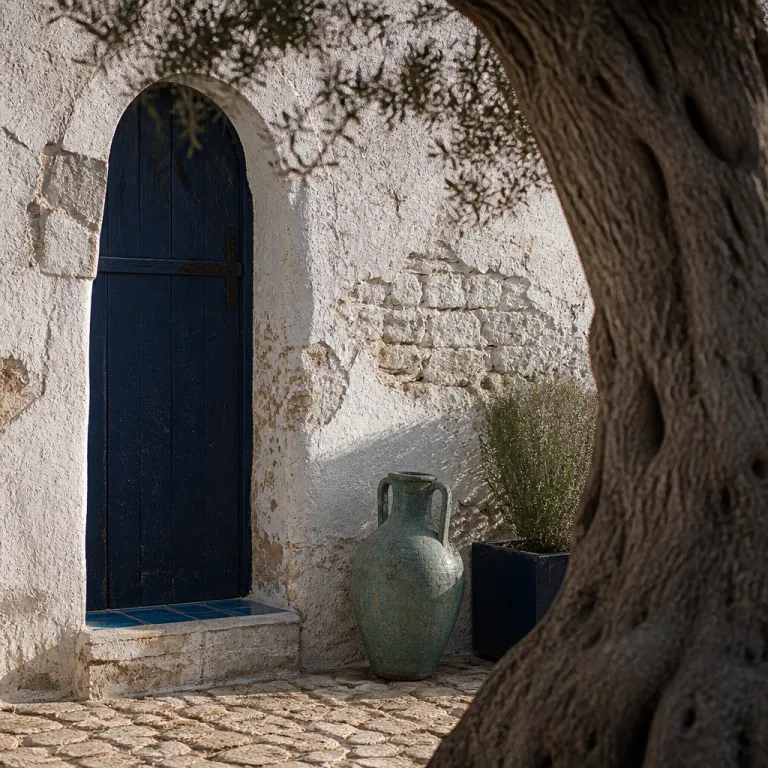
In the region of Puglia, masseria properties usually sit behind thick limestone walls, with courtyards framed by olive trees and sometimes a chapel or watchtower. Agriturismo properties in Puglia tend to spread across fields and olive groves, with tractors, barns and agricultural sheds visible alongside the guest rooms, because the working farm remains the core business. When you see a listing titled “masseria Puglia” but the text emphasises farm activities more than service or design, you are probably looking at an agriturismo that has been re-branded to ride the luxury wave.
Travel analysts tracking the region note that the four star segment in Puglia has grown quickly, which has encouraged many agriturismo owners to reposition their accommodation as luxury without fully upgrading the experience.1 This is why the question of masseria vs agriturismo Puglia is not academic; it is a practical filter for guests who expect a certain level of pool design, room comfort and wine service. When you book in Italy’s heel for a beach break near Otranto or for a road trip along the Adriatic coast, reading the listing with this lens helps you separate genuinely elevated masseria stays from honest, rural agriturismo nights.
Architecture, room count and grounds: the physical clues in listings
Start with the architecture when you weigh masseria vs agriturismo Puglia, because the buildings rarely lie. A real masseria in Puglia will usually mention a fortified farmhouse, a central courtyard and thick stone walls, which aligns with the expert guidance that says “Look for terms like 'fortified farmhouse' for masserie.” By contrast, an agriturismo–masseria hybrid listing often leans on phrases such as “working farm with rooms” or “farm stay”, echoing the advice that you should “Seek 'working farm' descriptions for agriturismi.”
Room count is your next filter, and it is surprisingly revealing for guests who care about atmosphere and service quality. Many of the best luxury masseria properties in Puglia operate between eight and fifteen rooms, which allows staff to learn preferences, pour the right wine and keep the swimming pool serene, while agriturismo properties frequently push past thirty rooms to maximise farm income.2 When you see a “masseria tenuta” advertised with forty or fifty rooms spread across several buildings, you are probably in agriturismo territory, even if the listing promises a pool and a short drive to the beach.
Grounds and common areas complete the picture, especially in coastal zones near Otranto and along the Adriatic. A genuine masseria Puglia estate will describe cloister like courtyards, shaded loggias, perhaps a wine cellar carved into stone and manicured paths through vineyards and ancient olive groves. An agriturismo on the Adriatic coast will more likely highlight orchards, vegetable plots, a working farmyard and functional outdoor furniture around a basic swimming pool, with less emphasis on design or curated spaces. When you cross check these physical cues with the price band and then read detailed reviews on booking platforms, you start to see which properties truly belong in the luxury set.
For context on how these price bands behave in peak season, it is worth reading this analysis of what July and August room rates actually look like in Puglia. It shows where authentic masseria accommodation overlaps with higher end agriturismo offers, especially near Otranto, Gallipoli and other Adriatic hotspots. Use that benchmark when a listing feels too cheap or too expensive for what it claims to be.
Photography, pools and beaches: reading the visual storytelling
Photography is where the masseria vs agriturismo Puglia distinction often reveals itself fastest, because genuine estates rarely need to fake their bones. In a true masseria Puglia property, you will see wide shots of the courtyard, the main building and the surrounding olive trees, not just tight crops of a pool or a styled breakfast tray. Agriturismo properties that have re-branded sometimes rely on close ups of a swimming pool, a single renovated room or a sunset over the Adriatic, avoiding any angle that might show barns, tractors or the working farm infrastructure.
Look closely at the pool images, because they tell a story about both design and intent. Luxury masseria hotels in Puglia tend to frame the pool within stone terraces, dry stone walls and mature olive groves, with loungers spaced generously and often a bar or oil–wine tasting corner nearby, while agriturismo pools can feel more functional, with plastic furniture and a simple rectangle of water added near the fields. If the listing talks about a “family friendly pool” but the photos show inflatables, slides and a crowded deck, you are probably in agriturismo–masseria crossover territory rather than a quiet retreat for business–leisure guests.
Beach access is another visual cue, especially along the Adriatic coast near Otranto and the Otranto–Gallipoli corridor. Many of the best masseria properties partner with curated beach clubs and will show images of reserved loungers, quality umbrellas and a short transfer from the estate to the sand, while agriturismo listings often just mention that the beach is a certain number of kilometres away without any detail. If you are travelling with young children or with families young at heart, cross check these images with independent reviews and with guides to accommodation in Apulia for families, which highlight properties that genuinely welcome children without relying on a formal children club.
Food, wine and olive oil: how the table reveals the truth
The table is where the masseria vs agriturismo Puglia divide becomes deliciously clear, because food philosophy is hard to fake. A real masseria in Puglia will usually describe a restaurant led by a named chef, a curated wine cellar and menus that balance traditional dishes with lighter plates for international guests, while an agriturismo will emphasise hearty farm cooking and set menus served at communal tables. When a listing for a supposed luxury masseria talks more about “home style dinners” than about a cellar of estate Primitivo or about pairings from vineyards and olive groves on the property, you should recalibrate your expectations.
Olive oil is another strong signal, because Puglia produces some of Italy’s most respected oils and serious properties treat it as a protagonist. Masseria estates often highlight their own olive groves, their mill and tastings of estate olive oil, sometimes pairing oil and wine in structured flights that showcase how the region’s oil–wine culture shapes every plate. Agriturismo properties may also produce excellent oil, but the language in their listings usually focuses on quantity and on the fact that the working farm produces olive oil alongside vegetables, rather than on the quality narrative that luxury travellers expect.3
Breakfast descriptions can be surprisingly revealing when you compare masseria vs agriturismo Puglia options. In a high end masseria Puglia accommodation, you will often read about a buffet filled with local cheeses, seasonal fruit, pastries and à la carte eggs, sometimes served in a cloister or under pergolas wrapped in olive branches, while agriturismo breakfasts tend to be simpler spreads of bread, jam and coffee. When reviews mention that the table is “filled with local products” but also note plastic packaged items or limited choice, you are probably looking at an agriturismo–masseria hybrid that has not fully crossed into the best luxury tier.
Service, families and the fine print in reviews
Service language in listings and reviews is one of the sharpest tools for decoding masseria vs agriturismo Puglia, because hospitality culture differs between the two models. A genuine luxury masseria in Puglia will highlight concierge style support, luggage handling, poolside service and perhaps in room amenities such as turn down, while agriturismo hosts often frame their welcome as “family run” and “informal”, with guests expected to adapt to the rhythm of the working farm. When you read reviews that praise the kindness of the owners but mention limited staff presence during the day, you are almost certainly in agriturismo territory.
Families should pay particular attention to how properties describe their approach to young children and to families young at heart. Many masseria hotels in Puglia quietly position themselves as adult leaning, with calm pools and limited facilities for kids, while agriturismo properties are more likely to welcome children freely, sometimes with animals to meet and fields to explore instead of a structured children club. If you need a place where young children can roam safely while you enjoy a glass of wine by the pool, prioritise listings that explicitly mention family friendly services and cross check them against independent guides to family focused Puglia accommodation.
Review literacy matters, especially when you compare masseria vs agriturismo Puglia options across multiple platforms. On hotel booking sites, look for repeated mentions of “peaceful courtyard”, “historic buildings” and “attentive staff” for masseria stays, while agriturismo reviews often highlight “great value”, “home cooked dinners” and “authentic farm experience.” When you see a property described as masseria tenuta but half the reviews talk about tractors, harvest noise or the realities of a working farm, you have likely found a re-branded agriturismo that has not fully transitioned into the luxury segment.
Location, activities and matching your stay to your Puglia itinerary
Location is the final piece in the masseria vs agriturismo Puglia puzzle, because where you base yourself shapes every day of your trip. Masseria properties in Puglia often sit within a short drive of both a beach and a historic town, giving guests easy access to the Adriatic coast, to baroque centres and to vineyards and olive groves for tastings, while agriturismo properties may be deeper inland, prioritising agricultural land over quick access to the sea. When a listing promises “only ten minutes to the beach” but reviews mention longer drives, you may be looking at a rural agriturismo that has stretched its coastal credentials.
Think about how you want to move through Puglia, especially if you plan to visit both Otranto and Gallipoli or to follow the Adriatic coast by car or by bike. A masseria Puglia estate near Otranto can serve as a refined base for exploring the old town, swimming in hidden coves and tasting local Primitivo in nearby cellars, while an agriturismo–masseria inland might be better for travellers who want to wake among olive trees and join the olive harvest. If cycling appeals, pair your accommodation choice with this detailed guide to cycling the Valle d’Itria, which respects both the heat and the hill towns and helps you choose properties that align with your daily routes.
Activities on site also signal where a property sits on the masseria vs agriturismo Puglia spectrum. Luxury masseria hotels often offer curated experiences such as guided tastings in the wine cellar, cooking classes focused on regional dishes and private yoga by the pool, while agriturismo properties lean into farm tours, olive picking and informal barbecues under the olive trees. When you read carefully and match these signals to your own priorities, you can choose between the polished calm of a masseria tenuta and the earthy charm of a working farm, knowing exactly which version of Puglia you are booking.
Key figures that frame the masseria vs agriturismo landscape
- The four star hotel segment in Puglia grew by 27.7 percent over a recent decade, according to Christie & Co, which reflects a rapid expansion of properties positioning themselves as higher end accommodation.1
- This growth has encouraged many former agriturismi to re-brand as masseria style hotels, often without fully upgrading service levels, common areas or food and wine programmes to true luxury standards.
- Puglia produces a significant share of Italy’s olive oil, and estates with their own olive groves and mills are more likely to integrate structured tastings and oil education into the guest experience.3
- The Adriatic coast between Otranto and Gallipoli concentrates a high density of both masseria and agriturismo properties, which makes careful reading of listings and reviews especially important in this corridor.
- Smaller properties with eight to fifteen rooms typically deliver more personalised service and quieter pools than larger estates with thirty or more rooms, which often operate closer to agriturismo models or resort style complexes.2
FAQ: masseria vs agriturismo Puglia
What is a masseria in Puglia ?
A masseria in Puglia is a historic fortified farmhouse, usually built in stone and often converted into a luxury hotel with landscaped courtyards, a pool and curated dining. These properties typically focus on design, service and a strong sense of place, sometimes including a wine cellar and tastings of estate olive oil. They suit guests who want character architecture combined with hotel level comfort.
What is an agriturismo and how does it differ from a masseria ?
An agriturismo is a working farm that offers lodging and meals, with agriculture remaining the primary activity on the property. Accommodation at an agriturismo in Puglia is usually simpler than at a masseria, and meals often follow set menus based on what the farm produces. The atmosphere is more informal and immersive in rural life, while a masseria feels closer to a country hotel.
How can I distinguish between a masseria and an agriturismo in listings ?
To distinguish between a masseria and an agriturismo in listings, focus on the language and on the photos. Look for terms like “fortified farmhouse” and descriptions of courtyards, chapels and historic architecture for masserie, and seek “working farm” descriptions, mentions of tractors or harvest activities for agriturismi. Cross check this with room count, service descriptions and reviews that mention either hotel style amenities or farm based experiences.
Is a masseria or an agriturismo better for families with young children ?
Families with young children often find agriturismo stays more relaxed, because there is usually more open space, animals to meet and a casual approach to noise and play. Some masseria hotels in Puglia welcome families warmly, but others prioritise calm pools and adult oriented service, so you need to read the fine print and reviews carefully. If you want both comfort and freedom for children, look for properties that explicitly mention family facilities rather than relying on a formal children club.
Which option offers better value for money in Puglia ?
Agriturismo properties generally offer better value for money on a pure price per night basis, especially when half board meals are included. Masseria hotels charge more because they invest in architecture, design, pools, service teams and curated food and wine programmes, which can justify the higher rates for travellers who will use those amenities. The best approach is to compare total stay costs, including meals and activities, rather than just the base room rate.
Sources
- Christie & Co – market reports on hotel development and the four star segment in Puglia, including a cited 27.7 percent increase in four star capacity over a recent decade.
- Italian National Institute of Statistics (ISTAT) – data on agriturismo and rural tourism in Italy, used to illustrate typical size ranges and service models for farm stays.
- Consorzio Olivicolo Italiano (UNAPROL) – information on olive oil production and regional outputs in Puglia, supporting the discussion of estates with their own groves and mills.