Why puglia autumn cuisine matters when you book your stay
Puglia autumn cuisine is the quiet secret that separates a pleasant stay from a transformative one. When the first cold night arrives in this southern region of Italy, the entire rhythm of food, wine and service inside serious masserie shifts toward depth, warmth and a slower pace. If you plan your trip with this season in mind, your visit will align with the moment when local cooks finally turn away from the sea breeze and back toward the hearth.
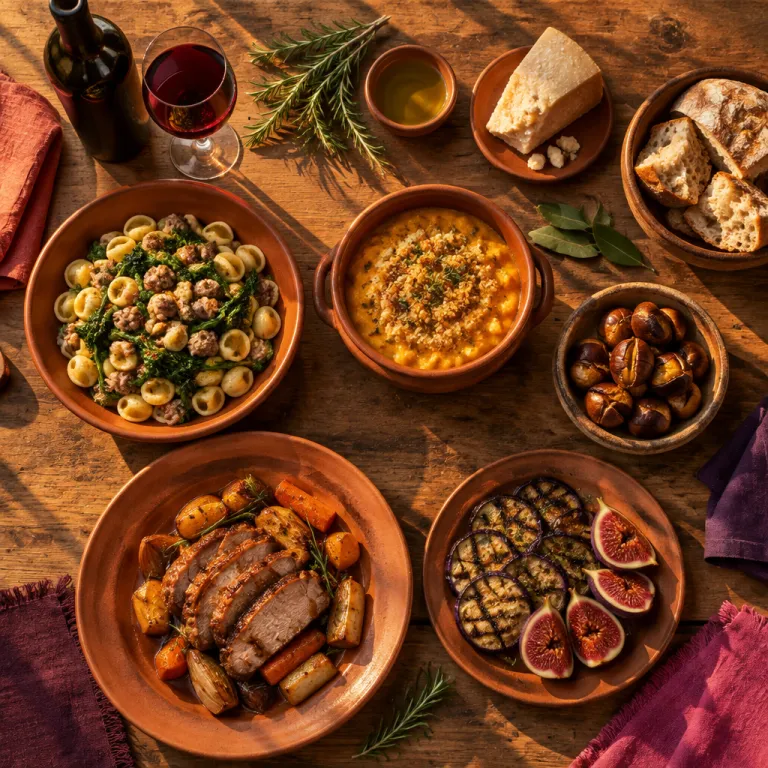
In puglia, autumn is when the pantry fills with cime di rapa, wild lampascioni, cardoncelli mushrooms and the first dried legumes that define traditional cucina povera dishes. Luxury properties that respect slow food culture lean into these ingredients, building menus around orecchiette pasta, bean puree and roasted vegetables rather than only grilled sea bass and raw crudo. The best restaurants in Puglia Italy at this time will talk as much about the olive groves behind the masseria as about the view of the sea from your table.
For business leisure travelers, this season is ideal because the heat softens, the light turns golden and the dining rooms become quieter. A long weekend stay can begin with a meeting in Bari, continue with a drive through Valle d’Itria and end with a late lunch of orecchiette con cime di rapa under a pergola. When you evaluate luxury hotels in Puglia Italy, ask how their menus change in autumn Puglia and whether the chef works directly with local farmers for new season olive oil and vegetables.
The autumn pantry: from cime di rapa to bean puree
The essence of puglia autumn cuisine sits in the pantry rather than on the plate. Once the first cool evening arrives in the region, crates of cime di rapa, early fava beans for bean puree and knobbly lampascioni appear at the back doors of serious kitchens. This is the time when masseria chefs quietly retire some summer dishes and bring back the slow food recipes that once defined rural life in Puglia Italy.
Inland, especially around Valle d’Itria and the Murgia, you will taste lentils from Altamura, chickpeas cooked until creamy and the fava bean puree that might be the most honest expression of cucina povera in puglia food culture. These Italian dishes are often paired with bitter wild greens, a drizzle of extra virgin olive oil and sometimes a shard of fried bread for texture. When a property serves you a plate of pureed beans with sautéed cime di rapa instead of another elaborate pasta, it signals confidence in local tradition and a respect for the season.
Autumn Puglia also means sagre, the focused food festivals in small towns that celebrate mushrooms, chestnuts or new wine. If your trip overlaps with these events, ask your concierge to arrange a visit to one of these seasonal food festivals in inland villages, which are described in detail in the guide to Puglia’s sagre and late summer food events on stay in Apulia. A luxury hotel that proactively suggests such a visit, rather than only a coastal drive, usually has a deeper relationship with the region and its food wine culture.
Orecchiette con cime di rapa and the power of the first cold night
No plate explains puglia autumn cuisine better than orecchiette con cime di rapa. The same pasta and greens exist in spring and summer, yet the dish only reaches its full character after the first cold night sharpens the bitterness of the cime di rapa. When you sit down in serious restaurants in Puglia during this season, you will notice that orecchiette pasta with these greens quietly moves from a token regional option to the anchor of the menu.
The classic version in Puglia Italy combines handmade orecchiette pasta, blanched cime di rapa, anchovy, garlic, chilli and a generous pour of local extra virgin olive oil. Some cooks add a few fried breadcrumbs instead of cheese, a gesture that comes directly from cucina povera traditions and keeps the flavours focused on the greens and the oil. When the pasta arrives glossy rather than heavy, with the greens still slightly resistant to the bite, you are tasting the region at the exact time it wants to be eaten.
Luxury masserie in Valle d’Itria and near Polignano a Mare now treat this Italian classic as a signature, often pairing it with a glass of local white wine rather than the expected red. If you are extending a business trip, ask whether the kitchen can arrange a short pasta session with the resident nonna, where you roll orecchiette con cime di rapa on the same marble used for decades before heading to a refined aperitivo in Lecce’s wine rooms and rooftop bars. Properties that offer this kind of hands on experience usually show the same care in every part of your stay, from the linen on the bed to the olive oil on the table.
Olio nuovo, focaccia barese and the architecture of flavour
The other defining ritual of puglia autumn cuisine is the arrival of olio nuovo, the new season olive oil pressed from early harvest fruit. In the olive groves that stretch between Bari, Valle d’Itria and the Salento, families and estates bring in the first olives and rush the vivid green liquid straight to their tables. For travelers, this is the perfect time to plan a stay in a masseria that still produces its own virgin olive and extra virgin olive oil, because you will taste a product that never sees a supermarket shelf.
Olio nuovo behaves almost like a seasoning rather than a fat, and chefs in Puglia Italy use it with restraint and precision. A slice of warm focaccia barese, topped with tomato and olives, becomes a different food when it is finished with a thread of this peppery oil instead of a neutral one. The same is true for simple bean puree, grilled vegetables or even a plate of fried cardoncelli mushrooms, where the oil lifts the earthiness and ties the dish back to the landscape.
When you evaluate luxury properties, pay attention to how they talk about their olive oil and their buildings in the same breath. The most serious masserie understand that the stone architecture, described in depth in the guide to why Puglia’s stone buildings matter more than its beaches, and the oil from their own land are both part of the same story. If a hotel can walk you through its frantoio, pour you three different puglia food oils to compare and then serve a restrained plate of Italian dishes built around them, your trip will feel anchored in the region rather than floating above it.
How masseria menus shift and what it reveals about your hotel
One of the most reliable ways to judge a luxury stay in puglia is to read its autumn menu as closely as you read its room list. Serious properties treat puglia autumn cuisine as a framework, moving from raw sea food and chilled pasta toward braised meats, warm soups and legume based dishes. When a chef can explain why grilled fish steps aside for slow cooked lamb or pork in this season, you are in a place that respects both climate and culture.
Look for signs of slow food thinking, such as a concise list of local producers, a focus on seasonal vegetables and a willingness to serve humble cucina povera plates alongside more elaborate creations. A bowl of chickpea soup, a plate of orecchiette pasta with cime di rapa or a simple dish of bean puree with sautéed greens can sit comfortably next to refined Italian dishes if the kitchen has confidence. Restaurants in Puglia that still rely heavily on generic tomato sauces and year round strawberries during autumn Puglia are usually cooking for volume rather than for the region.
Wine lists tell their own story at this time, shifting from light rosé toward structured reds like Primitivo and Negroamaro that suit the richer food wine pairings of the season. In Polignano a Mare and along the coast, you will still find raw sea dishes, yet the best dining rooms now balance them with roasted root vegetables and hearty mains. When you plan your visit, ask the concierge to outline how the menu changes after the first cold night, because their answer will quietly reveal whether the hotel is simply in Puglia Italy or truly of puglia and its autumn kitchen.
Planning an autumn trip: where to stay and what to ask
For business leisure travelers, timing a trip around puglia autumn cuisine requires a little planning but rewards you with quieter roads, softer light and more attentive service. Aim for the period when days remain long enough for a swim in the sea, yet evenings are cool enough to justify a bowl of lentil soup or a plate of orecchiette con cime di rapa by the fire. This is also when many masserie open their olive groves to guests, inviting you to walk between the trees before tasting the first press of virgin olive and extra virgin oil.
When choosing where to stay, focus on properties that treat food as a central part of the experience rather than an amenity. Ask whether the kitchen works with local farmers for cime di rapa, beans and seasonal vegetables, and whether they serve traditional puglia food such as focaccia barese, bean puree and simple fried vegetables alongside more polished plates. A hotel that can arrange a visit to a frantoio, a small winery and one or two inland sagre during your stay is usually one that understands the region beyond its beaches.
Finally, consider how you like to structure your time between meetings and leisure. Some travelers prefer a base in Valle d’Itria, using it as a hub for day trips to Bari, Lecce and Polignano a Mare, while others choose a coastal property and drive inland for dinners at destination restaurants in Puglia. Either way, if you let the season guide your choices and ask precise questions about menus, olive oil and autumn ingredients, your trip will align naturally with the rhythm of puglia autumn and its quietly confident cuisine.
FAQ
Why is puglia autumn cuisine different from summer cooking in the region ?
Puglia autumn cuisine shifts from raw sea food and tomato heavy salads toward braised greens, legume soups and roasted vegetables. The first cold night intensifies the flavour of cime di rapa and signals the start of the olio nuovo season, so menus become warmer and more structured. Luxury masserie that respect tradition adjust their dishes accordingly, offering a deeper expression of local food culture.
Which traditional dishes should I look for on masseria menus in autumn Puglia ?
Key dishes include orecchiette con cime di rapa, fava bean puree with sautéed greens, lentil soups from the Murgia and focaccia barese finished with new season olive oil. You will also see fried or grilled cardoncelli mushrooms, roasted root vegetables and simple plates of beans dressed only with extra virgin oil. When these appear alongside more elaborate Italian dishes, it usually indicates a kitchen grounded in regional tradition.
How can I tell if a luxury hotel in Puglia takes seasonal food seriously ?
Ask how the menu changes between summer and autumn, and whether the chef works directly with local farmers and olive groves. Properties that offer tastings of their own olive oil, visits to frantoi and concise menus built around seasonal produce usually take puglia food seriously. A long list of generic international dishes and little mention of local ingredients is a warning sign.
Is autumn a good time for a combined business and leisure trip to Puglia Italy ?
Autumn is an excellent time for a business leisure trip because temperatures are comfortable, roads are less crowded and service in luxury properties is often more attentive. You can schedule meetings in cities such as Bari or Lecce, then extend your stay in a masseria that focuses on puglia autumn cuisine. This timing lets you experience both the professional infrastructure of the region and its most expressive seasonal food and wine.
Should I rent a car to explore puglia autumn cuisine from my hotel ?
Renting a car gives you the flexibility to reach inland towns, sagre and small restaurants in Puglia that are not easily accessible by public transport. Many of the most interesting cucina povera dishes and autumn events happen away from the main coastal resorts. A car allows you to base yourself in a luxury masseria and still reach Valle d’Itria, Polignano a Mare and rural villages for lunches and dinners that define the season.