Why Bari’s street food matters when you book a luxury stay
Bari is not just a gateway to Puglia; it is a city where everyday street food habits should shape how you plan a premium stay. Luxury hotels here increasingly curate Bari food experiences, pairing refined dining rooms with access to authentic street food rituals in Bari Vecchia. When you choose a property, ask how closely it connects you to the local food culture, specific neighbourhoods and trusted vendors rather than only to a fine dining restaurant.
Families staying in high end hotels along Lungomare Nazario Sauro often want a safe, structured way to explore every narrow street without sacrificing comfort. The smartest concierges now build a private walking tour that starts in the historic centre near Piazza del Ferrarese, passes through Largo Albicocca, and ends at the old port, so you can eat like a local and still be back at the pool before nap time. A well briefed guide will translate the unwritten rules of each Bari street vendor, from how to order sgagliozze to when to share a paper cone of fried seafood with your children.
For premium travelers, a reliable Bari street food guide is as essential as a room with a sea view. It tells you which streets open onto genuine neighbourhood life and which open window counters are staging a performance for cruise passengers. When you read any food guide, look for specific mentions of raw seafood at Porto Vecchio, focaccia barese from a real panificio, and the exact corner where nonnas still roll pasta with cime di rapa in front of their doorways.
Sgagliozze, panzerotti and the choreography of Bari Vecchia
The heart of any serious Bari street food guide is the maze of Bari Vecchia, where frying pans and church bells keep the same rhythm. Here, sgagliozze are not a snack but a ritual; these fried polenta squares are sold from doorways where a local grandmother controls the oil temperature with the authority of a seasoned chef. You approach quietly, state how many pieces you want, pay in coins, and then step aside to eat while leaning against the cool stone of the city walls.
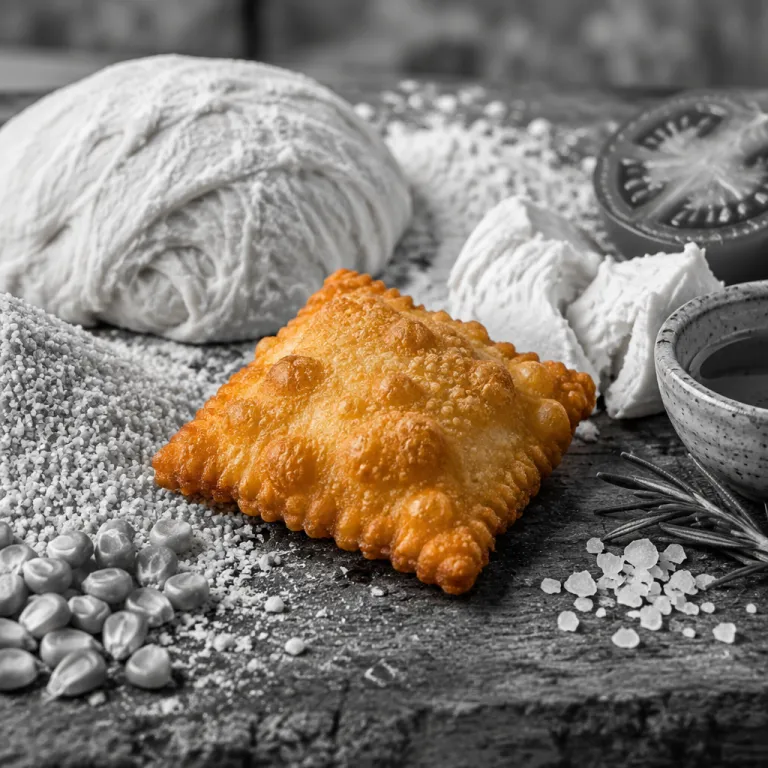
Panzerotti follow a different choreography, and your hotel concierge should explain it before you go. The best places serve these deep fried pockets only when the dough is ready, so a queue in the street is a good sign rather than a problem, especially when you travel with older children who can wait. Expect to pay only a few euros per piece. The classic filling is mozzarella and tomato sauce, and while you will see many variations, start with the traditional version before you share anything more experimental.
Luxury travelers often ask whether it is acceptable to eat sgagliozze and panzerotti on the move during a private walking tour. In Bari Vecchia, the answer is yes, but you respect the tradition by not blocking the narrow street and by greeting the vendor with a simple “buonasera” or “buongiorno” in barese style. If your hotel offers a curated food tour, choose one that includes a stop at a family run panificio where the owner still uses olive oil from a trusted mill, ideally one that would pass the standards described in this detailed olive oil test for Apulian extra virgin.
Focaccia barese, the focacceria hierarchy and Largo Albicocca
Understanding focaccia barese is non negotiable if you care about Bari food at street level. This is not a neutral bread but a thick, olive oil rich base topped with cherry tomatoes and olives that should taste of the sea breeze and the local fields. A good Bari street food guide will explain that the best focaccia is eaten warm, never piping hot, so the crumb has time to settle and the tomato juices sink gently into the dough.
The focacceria hierarchy is subtle, and this is where luxury hotel concierges prove their worth. Locals queue at places where the tray empties fast, the counter is modest, and the staff barely look up because they are too busy cutting slices for regulars from every nearby street. Tourist facing spots, by contrast, often display too many varieties at once, and the focaccia looks dry at the edges, which is a sign to walk on toward a better panificio.
Names matter here, and you will hear Panificio Fiore in Strada Palazzo di Città mentioned often when people talk about the best traditional focaccia barese in the historic city centre. A refined food guide will send you there at off peak hours, typically late morning or mid afternoon, so your family can eat in the quiet side street nearby and share a slice without being rushed. To deepen your understanding of how this everyday bread fits into wider Puglia food culture, read about the region’s village festivals in this piece on Puglia’s sagre and the real kitchen of the south.
Raw seafood at Porto Vecchio and the etiquette of eating by the sea
Porto Vecchio, the old port of Bari, is where the city’s relationship with raw seafood becomes visible in the morning light. Fishermen set up simple stands along the quay near Lungomare Imperatore Augusto, and locals arrive early to buy or eat raw seafood such as sea urchins, clams and octopus that has been cleaned and prepared on the spot. This is not a staged performance but a continuation of a tradition that predates any modern food tour.
For families staying in luxury hotels, the etiquette here can feel opaque without a clear guide. You do not touch the seafood before buying, you pay in cash, and you eat standing near the sea wall, often with only a squeeze of lemon and a drizzle of olive oil if the vendor offers it. Children who are new to raw seafood can start with cooked options nearby, while adults taste a small portion to understand why Bari’s relationship with the sea is so direct. If you have allergies or a sensitive stomach, ask your concierge or guide for advice before you try crudo.
Many high end properties now arrange early morning transfers to Porto Vecchio, pairing the visit with a later lunch of cooked seafood in a more formal restaurant. When you book, ask whether your concierge can provide a bilingual local guide who knows the fishermen by name and can explain which months are best for each species. That level of detail is what separates a generic Bari street experience from a thoughtful Bari street food guide tailored to premium travelers who value both authenticity and safety.
Spaghetti all’assassina, gelato rituals and planning your hotel around food
No serious Bari street food guide ignores spaghetti all’assassina, the caramelised pasta cooked directly in tomato sauce until the edges char. You will find it in humble trattorias rather than on the street, but it belongs in the same conversation because it expresses the same barese instinct for intensity and minimalism. When a pan of spaghetti assassina arrives at your table, the burnt edges should be crisp, the centre still al dente, and the flavour unapologetically smoky.
Families often pair this with orecchiette and cime di rapa, so children can share a milder pasta while adults tackle the assassina heat. A good hotel concierge will book a table where the chef respects tradition and uses proper Puglia olive oil, not a generic blend, and where the menu still feels local rather than designed for passing tour groups. After lunch, the natural next step is a slow walk toward Gelateria Gentile on Corso Vittorio Emanuele II, where the gelato texture and classic flavours justify the queue that often spills into the street.
When you choose a luxury property in Bari, think of it as the base camp for a curated walking tour that links all these tastes into one coherent route. Start in Bari Vecchia for sgagliozze and focaccia, continue through Largo Albicocca for panzerotti, then move toward Porto Vecchio for the sea air and raw seafood before ending with gelato. For travelers interested in wellness as much as food, this kind of itinerary pairs beautifully with the single property retreats described in this article on the rise of the single property wellness itinerary in Puglia, allowing you to balance indulgent eating with restorative time in a quiet masseria.
A morning route through Bari Vecchia for families and first timers
To turn vocabulary into lived experience, map one focused morning that respects both local rhythm and family needs. Begin at the Basilica di San Nicola, where the square opens onto streets that still feel residential, then slip into the alleys of Bari Vecchia where laundry hangs above your head and the first sgagliozze pans start to hiss. This is where the city opens window by window, each one framing a different way to eat, from nonnas rolling pasta to vendors preparing street food for the day.
From San Nicola, walk toward Largo Albicocca, a square that functions as an outdoor living room for the neighbourhood. Here you can share panzerotti at plastic tables, let children move around safely, and watch how locals use the space at different hours, which is a lesson in itself for any food guide. Continue along a side street toward Panificio Fiore or another trusted bakery for focaccia barese, then angle down toward the sea so the breeze cools the stone as the sun climbs.
End your route at Porto Vecchio, where the harbour widens and the line between city and sea blurs. If raw seafood feels too intense, simply observe the ritual and save your appetite for a plate of pasta with cime di rapa or a portion of spaghetti assassina later in the day. By the time you return to your hotel, you will have moved beyond a generic Bari street experience into something that feels both traditional and personal, the kind of morning that justifies choosing a luxury base in Puglia rather than treating the city as a brief stop.
FAQ
Is Bari street food safe for children to eat?
Most cooked Bari street food, such as sgagliozze, panzerotti and focaccia barese, is safe for children when bought from busy, well known vendors. Raw seafood at Porto Vecchio is more suitable for adults who are comfortable with crudo and understand the risks of eating uncooked products. If you travel with young children, focus on freshly fried or baked options, avoid anything that has been sitting out too long, and ask your hotel concierge to recommend trusted stops.
How should I plan a Bari street food tour from my hotel?
The easiest approach is to start in Bari Vecchia, move through Largo Albicocca, then end at Porto Vecchio, which creates a logical loop from church to square to sea. Many luxury hotels can arrange a private walking tour with a local guide who knows the best vendors and the quietest streets for families. Ask for a route that includes sgagliozze, focaccia barese, panzerotti, a sit down pasta stop and a final gelato at Gelateria Gentile, and confirm approximate timings so children do not get too tired.
What is the etiquette when buying street food in Bari Vecchia?
Greet the vendor, state your order clearly, pay in cash and then step aside so others can reach the counter. It is normal to eat standing in the street or in a nearby square, but avoid blocking doorways or church entrances, especially around San Nicola. Taking photos is usually fine, yet it is polite to ask before photographing people, particularly older residents cooking outside their homes or children playing in the street.
Where can I try spaghetti all’assassina near the historic centre?
Spaghetti all’assassina is served in traditional trattorias rather than at street stalls, often within walking distance of Bari Vecchia and the seafront. Your hotel concierge will know which kitchens respect the original technique of toasting the pasta directly in tomato sauce until it chars. Reserve for lunch or an early dinner, and consider sharing one portion alongside milder dishes if you are unsure about the intensity or travelling with younger children.
Do I need a guide, or can I explore Bari’s food scene alone?
Confident travelers can follow a self guided route using a detailed Bari street food guide, especially if they are comfortable navigating narrow streets and informal settings. A private guide, however, adds context, language support and access to vendors who may not engage with tourists on their own. For families or first time visitors, a guided experience arranged through a quality hotel often makes the day smoother, more relaxed and easier to adapt to changing weather or children’s energy levels.