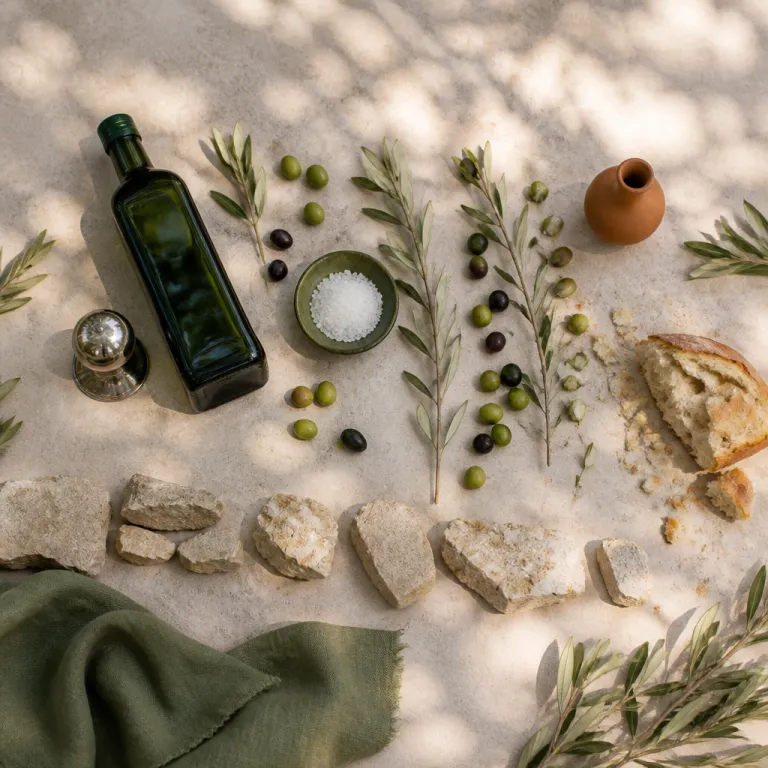
Why puglia olive oil tasting belongs on every luxury itinerary
In Apulia, serious travelers treat olive oil as carefully as wine. Puglia produces around 40 percent of Italy’s olive oil, so a focused puglia olive oil tasting is not a side activity but a core cultural experience. When you book a luxury masseria, you are entering working landscapes of olive trees, oil production, and families who have pressed olives for generations.
The best properties in the Itria Valley and Salento now design a guided oil tour as carefully as a wine pairing dinner, turning a simple oil tasting into a structured sensory experience. You move from the shade of ancient olive trees to the cool of the oil mill, then to a tasting room where high quality extra virgin oils are treated as liquid gold. This is where you start to understand why “How can I tell if olive oil is extra-virgin?” is answered simply by experts as “By assessing its aroma, taste, and absence of defects.”
For solo explorers choosing where to stay in Puglia, the question is not whether a hotel has a pool, but whether its masseria groves are still in active production. Look for estates that offer a guided visit to their olive groves, a small on site oil mill, and a structured tour tasting that explains the difference between virgin and extra virgin olive oil. A serious puglia olive oil tasting will always include at least one robust Coratina and a softer Ogliarola, so you can compare how different olive oils behave with food.
Reading the label before you book the room
Before you even taste, the label on a bottle of olive oil in your hotel tells you how seriously that property treats its kitchen. In Apulia, a masseria that serves its own extra virgin olive oil is signaling control over every step of oil production, from olives on the trees to the final pour at dinner. When you see DOP or IGP on a puglia olive label, you are looking at a protected origin that ties the oil to specific groves and a defined valley.
For a traveler, the harvest date matters more than the marketing language about liquid gold, because freshness is the first quality marker in any oil tasting. Estate bottles from the Itria Valley or from pezze greco near Fasano should show a recent harvest, ideally pressed at the on site oil mill within 24 hours of picking. When a hotel’s team can explain that “Pungency” in a virgin olive oil “signifies the presence of healthy polyphenols”, you know the kitchen is aligned with the standards of the International Olive Council.
Use your first visit to the bar or breakfast room as a quiet test of the property’s priorities. Ask whether the extra virgin on the table comes from their own olive groves or from a named frantoio such as Frantoio Savoia, and whether they offer a short oil tour for guests. If the staff can walk you through DOP, IGP, and harvest timing as confidently as they discuss the orecchiette makers of Bari Vecchia in this guide to Bari’s pasta doorways, you are in the right place.
How to conduct a serious puglia olive oil tasting in your hotel
Once you have chosen a property with real groves and a working mill, the next step is learning how to judge what is in the glass. A proper puglia olive oil tasting in a luxury masseria follows the same three stage method used by certified tasters in Apulia’s professional panels. You start with visual inspection, move to olfactory analysis, then finish with the actual tasting on the palate.
Ask your host for three small glasses of different extra virgin oils, ideally including a Coratina from the Itria Valley, an Ogliarola from central Puglia, and perhaps a Cellina di Nardò from further south. Hold each olive oil against a white background to assess clarity and color, then warm the glass gently in your hand before inhaling the aroma of fresh olives, cut grass, or tomato leaf. During the guided experience, you will learn that “Why is Apulian olive oil renowned?” is answered simply as “Due to its rich flavor and high quality standards.”
When you finally taste, let a small sip coat your mouth, then note bitterness on the tongue and peppery pungency in the throat. This is where high quality extra virgin separates itself from generic oil puglia blends that some hotels still buy in bulk. If your masseria also curates cucina povera dinners or recommends serious Salento kitchens such as those in this guide to where to eat in Salento, you can test each oil with local bread, raw vegetables, and grilled fish to understand how different olive oils behave with food.
Groves, mills and the emotional weight of Apulia’s landscape
Any puglia olive oil tasting worth your time should begin outside, under the trees themselves. In the low hills of the Itria Valley and around pezze greco, you still find ancient olive trunks twisted into sculptural forms, some of them centuries old. These centuries olive trees survived the Xylella fastidiosa bacterium that devastated large parts of southern Puglia, so walking through these olive groves is no longer just a pleasant tour but an emotional visit.
When a masseria offers a guided walk through its olive trees before the oil tasting, take it, because this is where you see how production and tradition intersect. Your host will explain how olives are harvested between October and December, then rushed to the oil mill within 24 hours to preserve the extra virgin quality. Many high quality estates now use both traditional stone mills and modern centrifuges, sometimes even experimenting with fluorescence spectroscopy to check for defects before bottling.
Inside the frantoio, or mill, ask to see the different stages of oil production, from washing the olives to separating the virgin olive oil from the paste. Serious producers in Apulia work within the standards set by the International Olive Council, and many collaborate with olive oil sommeliers to refine their blends. If your hotel partners with a named producer such as Frantoio Savoia, a private oil tour there can turn a simple tour tasting into one of the most memorable experiences of your stay.
From cycling the valley to bringing liquid gold safely home
For solo travelers who like to earn their tasting, combining a morning ride with an afternoon puglia olive oil tasting is an elegant way to structure a day. The lanes that thread through the Itria Valley between trulli and olive trees are gentle enough for intermediate cyclists, especially if you follow a route such as the one outlined in this cycling guide to the Valle d’Itria. Many luxury properties now arrange e bikes, a guided oil tour, and a late lunch in the masseria courtyard as a single experience.
When you are ready to buy, ask to taste both single estate puglia olive oils and blends, paying attention to how each extra virgin behaves with different foods. Smaller producers around pezze greco or in the central valley often bottle limited runs that never reach supermarkets, so your hotel’s cellar can be a shortcut to rare oils. Look for dark glass bottles or tins, which protect the liquid gold from light, and check that the harvest date is recent enough to justify carrying the weight home.
For air travel, pack bottles in padded wine sleeves inside your checked luggage, and keep receipts in case customs officers ask about value or origin. Most countries allow reasonable quantities of olive oil for personal use, but always check your own regulations before you travel. Stored in a cool, dark place, a high quality extra virgin from Apulia will usually show its best character for 12 to 18 months after harvest, so buy what you will actually use rather than filling a suitcase with souvenirs.
FAQ
How can I tell if an Apulian olive oil is truly extra virgin ?
To judge whether an Apulian olive oil is extra virgin, start by checking the label for clear origin, harvest date, and any DOP or IGP certification. Then use the professional sequence of visual inspection, olfactory analysis, and tasting, looking for fresh aromas and a balance of fruitiness, bitterness, and peppery pungency. As experts state, “How can I tell if olive oil is extra-virgin?” is answered by “By assessing its aroma, taste, and absence of defects.”
What does pungency indicate during a puglia olive oil tasting ?
When you feel a peppery catch in your throat during a puglia olive oil tasting, that sensation is called pungency. It is linked to the presence of polyphenols, which are natural antioxidants associated with both flavor intensity and potential health benefits. In the words of specialists, “What does 'pungency' indicate in olive oil? It signifies the presence of healthy polyphenols.”
Why is Apulian extra virgin considered a benchmark for quality ?
Apulia is Italy’s largest olive oil producing region, contributing around 40 percent of national output, and many estates control every step from groves to bottling. The combination of local cultivars such as Coratina and Ogliarola, careful oil production, and strict adherence to International Olive Council standards creates consistently high quality oils. This is why experts say, “Why is Apulian olive oil renowned? Due to its rich flavor and high quality standards.”
When is the best time to visit a masseria for an oil tour ?
The most instructive time to visit a masseria for an oil tour is during the harvest and milling period, typically from October to December, when olives move directly from trees to the oil mill. During these weeks you can watch picking, see the machinery in action, and taste fresh extra virgin straight from production. Outside harvest season, many estates still offer guided tastings and walks through the olive groves, focusing more on education than live processing.
Should I prioritize hotels with their own groves and mills ?
If olive oil is central to your trip, choosing hotels with their own olive groves and an on site or closely partnered mill will deepen your experience. These properties can usually arrange private tastings, guided walks among ancient olive trees, and detailed explanations of oil production that generic resorts cannot match. Even when a hotel does not own groves, ask whether they work closely with a named frantoio and whether they can organize a serious puglia olive oil tasting for guests.