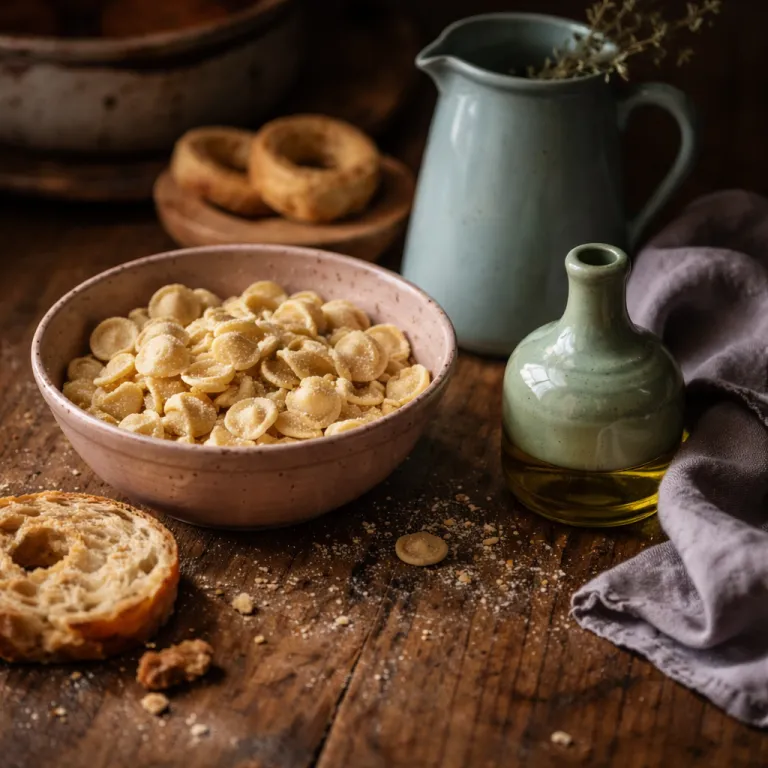
The cucina povera map behind Salento restaurants
Luxury travelers often arrive in Puglia asking for the top Salento restaurants, yet the kitchens that shaped the region sit far from any tasting menu. In this sunburned heel of Italy, the most memorable food is still cooked in modest trattorie where a grandmother watches the dining room like a hawk, and where the chef learned to balance tomato sauce and bean puree long before a Michelin inspector ever booked a table. If you want genuinely good food rather than a staged performance, you start in the small-town Salento backstreets, not in the glossy hotel lobby.
Cucina povera literally means “poor kitchen,” and in Salento it translates into fresh vegetables, day-boat seafood and pasta dishes that waste nothing. The great plates here are not about a showpiece filet mignon or imported Colombian-style fusion, but about how onions, mushrooms, stale bread and wild chicory become something absolutely delicious with olive oil and time. When you eat Salento this way, every visit becomes a lesson in how a region turned scarcity into a quietly luxurious way of life.
In Lecce, the most characterful town in southern Puglia, the old osterie still set the tone for serious Salento dining rooms. Osteria Da Angiulino, a few minutes from Piazza Sant'Oronzo at Via Principi di Savoia 24, serves ciceri e tria and other local dishes that many hotel chefs quietly reference on their own menu. Osteria Le Volte, also near the square on Via Leonardo Prato 7, keeps the focus on traditional food and wine pairings, proving that a simple carafe of Negroamaro at room temperature can feel more refined than a long list of international wine labels. Both are typically open for lunch and dinner most days, with closing times around midnight; current hours are easily checked via local listings or by calling ahead.
Five defining cucina povera dishes and where to eat them
Ask any chef working in the more ambitious Salento restaurants and they will quietly admit that five humble dishes shaped their palate. Fave e cicoria, ciceri e tria, tiella di riso, pittule and raw seafood crudo appear again and again, both in countryside agriturismi and in the more polished dining-room settings of Lecce and Gallipoli. These are the plates that taught a generation of cooks how to balance texture, acidity and the kind of good food that leaves you in a gentle food coma rather than a dazed stupor.
For fave e cicoria, a silky bean puree with bitter wild chicory, Roots Trattoria in Supersano (Via Roma 52; usually open for dinner from around 20.00) is a benchmark, serving it with bread fried in olive oil on a quiet outdoor patio that feels made for solo travelers. In Casarano, Su Casteddhru (Via Pendino 4, a short walk from Piazza San Giovanni) turns the same combination into something almost creamy, showing how a slight change in texture can shift the whole conversation about local dishes. When you taste both versions during a single visit, you start to understand why Salento restaurants still obsess over the tiniest details of such apparently simple food.
Seafood lovers should plan a detour to Otranto, where Marinero Ristorante on Via Padre Scupoli 3 plates raw fish crudo and warm pasta dishes with clams that show exactly how fresh the Adriatic can taste. Here the menu moves easily from grilled catch of the day to more elaborate dishes, yet the spirit remains firmly rooted in cucina povera rather than in showy fine dining. This is also where you feel the overlap between the humble trattoria world and the Michelin map, especially once you have read about the new wave of chefs at places like the Michelin-starred restaurant in Carovigno, whose rise is charted in a detailed look at a Salento gastronomy shift on the region’s evolving Michelin scene in guides such as the Michelin Guide Italia.
Agriturismo lunches: the most important meal of your Apulia trip
While many visitors chase reservations at the most talked-about Salento restaurants, the single most important meal of an Apulia trip often happens at an agriturismo. These countryside estates, usually working farms, serve long lunches that can stretch to eight courses over three hours, often without a printed menu in sight. You sit under vines or in a cool stone dining room, and plates arrive until you quietly lose count and surrender to a slow, elegant food coma.
At places like Il Frantoio near Ostuni (SP16, about 10 minutes by car from the historic center), the kitchen sends out a sequence of small dishes that read like a glossary of cucina povera, from pittule fritters to tiella layered with rice, potatoes and seafood. The food is not about theatrical plating but about fresh vegetables, local olive oil and the kind of good wine that never needs explanation, only refilling. For solo travelers staying in luxury masserie, concierges are usually delighted to arrange these lunches, because they know agriturismi are the places to eat that guests remember long after the infinity pool fades from memory.
If you are structuring a high-end stay around gastronomy, it makes sense to anchor your itinerary with one agriturismo lunch every few days. Use a curated accommodation guide such as the one on premium accommodation in Apulia to base yourself near serious countryside kitchens rather than only in town. Then let the rhythm of these long meals dictate when you explore Lecce, when you head to Gallipoli for seafood, and when you simply sit with a coffee under the olive trees and accept that this is what luxury in Puglia really feels like.
Lecce city restaurants: who still cooks with feet on the ground
Lecce has become the poster child for Salento restaurants, and with that fame some addresses have drifted away from their roots. A few central spots now lean heavily on international crowd-pleasers like filet mignon or playful nods to Colombian food, chasing social media rather than the quiet authority of cucina povera. You can still eat well in town, but you need to know which dining room has kept its feet firmly on the ground.
Osteria Da Angiulino remains a reference point, serving generous pasta dishes with slow-cooked tomato sauce, grilled seafood and local vegetables at prices that still feel connected to the typical cost of a meal in Salento, which many local diners describe as starting around 25–30 EUR for a full, satisfying dinner excluding premium wine. Osteria Le Volte, tucked near Piazza Sant'Oronzo, offers a slightly more polished take on traditional dishes without losing the soul of the town, and both spots attract as many locals as visitors. Ristorante Semiserio, led by chef Gigi Perrone and located on Via Guglielmo Paladini 5, shows how a thoughtful cook can reinterpret cucina povera without turning it into a caricature, layering onions, mushrooms, herbs and pulses in ways that feel modern yet respectful.
For solo travelers, Lecce is also where logistics become easier, because many Salento restaurants here finally allow you to order online or at least browse the menu before you commit. Yet the most rewarding experiences still come when you step away from the screen, walk through the baroque streets and follow the scent of good food drifting from a side alley. As one Lecce-born sommelier put it in a recent local interview, “If the menu reads like my grandmother’s pantry, I know I’m in the right place.” If you are curious about how other Apulian cities have protected their culinary identity, the detailed piece on why every serious stay should begin with the orecchiette doorways of Bari Vecchia in an in-depth Bari guide offers a useful counterpoint.
How to book the unbookable trattorie in Salento
The trattorie that shaped today’s Salento restaurants rarely bother with slick reservation systems, which can frustrate travelers used to instant confirmations. In smaller-town Salento communities like Supersano, Salve or the outskirts of Gallipoli, the most characterful places to eat still operate on a phone, a notebook and the owner’s memory. If you want a seat at Roots Trattoria, Il Borghetto Trattoria or a family-run spot in Santa Maria di Leuca, you need to adapt to their rhythm.
The most reliable strategy is simple and surprisingly effective: call between 16.00 and 18.00, when the lunch rush has ended and the dinner prep has not yet peaked. Speak a few words of Italian, state clearly how many people you are, accept the time they offer and resist the urge to negotiate, because flexibility is the price of entry to the best restaurants Salento still hides from casual visitors. Many of these owners are wary of no-shows, so if your plans change, call back rather than relying on any order-online function that may or may not exist.
Solo travelers sometimes worry about occupying a table alone in such local places, yet in practice the opposite is true, because a single guest is easy to fit into a busy dining room. Bring a book, order a carafe of house wine and let the sequence of dishes unfold, from antipasti of vegetables to seafood or pasta and finally a simple dessert like almond parfait. By the time you finish your coffee, you will have watched three generations of a family run the room, and you will understand why these modest trattorie carry more weight in Salento’s culinary story than many of the officially top-ranked Salento restaurants.
Wine, coffee and the quiet rituals of Salento dining
What separates the most memorable Salento restaurants from the merely good is often not the plate in front of you, but the rituals around it. A jug of dark Negroamaro served at room temperature, never refrigerated, tells you that someone in the cellar still cares about how food and wine speak to each other. A short, intense coffee at the end of lunch, taken slowly rather than rushed, signals that you are meant to linger, not turn the table.
Negroamaro and Primitivo remain the backbone of local wine lists across Puglia, and the best Salento restaurants use them to frame both seafood and meat dishes without fuss. In coastal-town Salento enclaves like Gallipoli or Santa Maria di Leuca, you might start with raw seafood and a chilled rosato before moving to grilled fish and a slightly more structured red, all poured without ceremony. Inland, especially around Lecce, the pairing leans more towards hearty pasta dishes, bean puree and vegetables cooked with onions and mushrooms, where the wine’s structure mirrors the depth of the food.
Between meals, the region runs on coffee and small snacks rather than on anything resembling holy guacamole or other imported trends, which you will rarely see in serious Salento restaurants. You might find a playful nod to international flavors, perhaps a chef referencing a dish by someone like Jesús Martín in a late-night conversation about Colombian food, but it will stay in the realm of ideas rather than on the plate. The real luxury here is the continuity of tradition, the way a simple bar in a quiet town can serve an espresso and a pastry that feel absolutely delicious after a long coastal walk.
Key figures behind Salento’s cucina povera scene
- Local tourism offices describe a dense network of traditional restaurants and trattorie in Salento, a web of small eateries that keeps cucina povera visible in almost every town and village; their printed brochures and official portals regularly highlight food routes focused on dishes like fave e cicoria and ciceri e tria.
- Informal dining surveys, local press coverage and online review averages suggest that the typical cost of a meal in many trattorie is around 25–35 EUR per person for multiple courses, which makes extended agriturismo lunches surprisingly accessible even for solo travelers.
- Interest in authentic culinary experiences has grown steadily, with regional and national tourism reports noting a rise in food-focused travel that now shapes how many luxury hotels design their seasonal packages and tasting itineraries.
- Many restaurants in Salento now use local, organic ingredients as a default, reflecting a broader Italian trend towards sustainability while still keeping menus rooted in traditional dishes; this is often mentioned explicitly on menus or in short notes about the producers they work with.
Frequently asked questions about Salento restaurants and cucina povera
What is cucina povera in Salento ?
Cucina povera in Salento refers to traditional “poor kitchen” cooking that relies on simple, local ingredients like pulses, seasonal vegetables, bread and modest cuts of meat or seafood. It emphasizes techniques that reduce waste, such as turning stale bread into soups or gratins and using every part of a vegetable. The result is food that feels both humble and quietly refined, forming the backbone of many menus in Salento restaurants today.
Are reservations necessary at traditional Salento restaurants ?
Reservations are strongly recommended, especially during peak seasons and weekends, because many of the most sought-after trattorie are small and family run. Local guidance is clear on this point; “Are reservations necessary? Yes, especially during peak tourist seasons.” Calling directly, ideally between 16.00 and 18.00, is usually more effective than relying on online forms.
Do Salento restaurants accommodate dietary restrictions ?
Many Salento restaurants can adapt dishes for common dietary needs, particularly vegetarian or pescatarian preferences, because cucina povera already leans heavily on vegetables and pulses. For more specific requirements such as gluten free or severe allergies, it is best to contact the restaurant in advance and explain clearly in Italian or with written notes. “Do restaurants accommodate dietary restrictions? Many do; it's best to inquire in advance.”
How can I find authentic cucina povera near my hotel in Apulia ?
The most reliable approach is to combine online research with local advice, using travel guides, online maps and reservation platforms to shortlist places, then asking your hotel concierge or host for their personal favorites. Look for menus that highlight local dishes like ciceri e tria, fave e cicoria, tiella and seasonal vegetables rather than only international classics. Partnering with local tourism boards or culinary tour operators can also help you access small trattorie that do not advertise widely.
Is Salento a good destination for solo travelers focused on food ?
Salento is an excellent choice for solo travelers who care about food, because the region combines manageable town sizes, welcoming family-run restaurants and a strong culture of eating out. Many trattorie are happy to seat solo guests at the counter or on an outdoor patio, and agriturismo lunches offer a convivial setting where you can share dishes with other diners. With careful planning around reservations and transport, a solo trip built around Salento restaurants can feel both indulgent and deeply connected to local life.