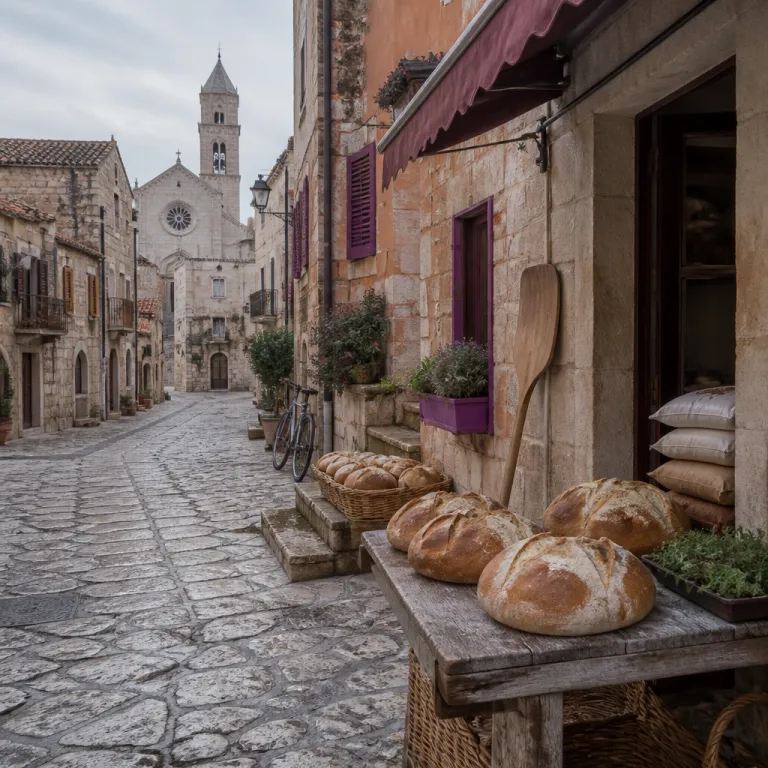
Why pane di Altamura in Puglia belongs on a luxury itinerary
Altamura sits inland in the Puglia region, a quiet stone city that most luxury travelers skim past on the way from the Itria Valley to Matera. Yet pane di Altamura Puglia has turned this town into a culinary waypoint, a place where serious food lovers plan a deliberate detour for a single folded loaf of golden crusted bread. When you are curating a premium stay, that loaf can be as defining as your suite category or sea view.
The city’s reputation rests on altamura bread made with local durum wheat grown on the Murgia plateau, milled into fine semolina flour and semola rimacinata that behave differently from the softer flours used for other Italian bread styles. In every serious forno you will see sacks labeled durum flour and semolina, a quiet signal that this is not generic pane but a product with a protected designation that shapes everything from aroma to chew. The dough feels dense yet elastic under the baker’s hands, its hydration carefully judged so the crumb stays moist for days while the crust bakes to a deep burnished brown in the wood fired oven.
For travelers used to tasting menus and cellar tours, the pane Altamura experience offers something more elemental, almost monastic. You stand at the counter while a baker lifts a huge altamura style folded loaf from the oven, waits a few minutes, then cuts through the crackling crust to release a wave of durum perfume. That first slice, dipped only in local olive oil or paired with simple food like grilled vegetables, can rival the best bread you have eaten in any Michelin starred dining room.
The DOP story behind Altamura’s designation of origin
Pane di Altamura Puglia is one of the very few breads in Europe granted a protected designation of origin, a legal shield that ties every loaf to specific fields, mills and ovens. The Altamura DOP rules dictate that only durum wheat from defined zones of the Murgia may be used, and that the flour water ratio, salt, and even the traditional biga or sourdough starter must follow codified standards. This is not marketing news for tourists but a framework that guarantees you are tasting the same del pane that sustained shepherds and farmers for generations.
Within the DOP regulations, bakers work with high protein durum flour and semolina flour, combining them with local water to create a minutes dough that can withstand long bulk fermentation without collapsing. The designation origin text even specifies the classic folded loaf shapes, from the tall, crown like u sckuanète to the flatter, wider forms more common in other parts of Puglia. When you hold a slice of altamura bread up to the light, the irregular holes and glossy crumb tell you that time, not shortcuts, defined the dough.
For a luxury traveler, understanding this protected designation deepens the pleasure of a simple bakery visit, much as knowing a vineyard’s cru elevates a glass of wine. It also connects Altamura to the wider bread culture of the puglia region, where friselle, taralli and focaccia barese all express different relationships between wheat, water and oven heat. If you are planning your trip around food festivals and regional specialties, pairing an Altamura morning with an evening at one of Puglia’s sagre that reveal the real kitchen of the south can turn a standard itinerary into something quietly exceptional.
Inside the forno: how Altamura’s bakers work the dough
Arrive in Altamura just after sunrise and the backstreets smell of smoke, wheat and slowly caramelizing crust. Step into a historic forno and you will see bakers moving with calm precision, shaping pane di Altamura Puglia from massive mounds of dough that have been fermenting since the previous night. The scene feels timeless, yet every gesture reflects a deep understanding of hydration, temperature and timing.
The process usually begins with a biga or natural sourdough starter, mixed with flour water and left to ferment until it smells gently lactic and alive, then combined with fresh durum flour and semolina flour to build the final dough. Bakers talk about minutes dough not as a shortcut but as a reminder that each stage, from initial mixing to bulk fermentation and final shaping, is measured in careful intervals rather than vague approximations. During bulk fermentation the dough is folded several times, building strength so the final folded loaf can rise high without tearing in the intense heat of the wood fired oven.
When the bakers slide the altamura style loaves into the oven, they read the fire by eye, not by digital display, judging when the floor is hot enough to bake but not scorch. After around forty to sixty minutes, depending on size and hydration, the best bread emerges with a thick, crackling crust that protects the moist interior for days, a practical advantage in a hot Puglia summer. Tasting it plain, then again with a drizzle of carefully chosen extra virgin olive oil that you might have evaluated using a serious olive oil test, is one of those quietly luxurious food rituals that stays with you long after you leave the city.
Planning the Altamura bread pilgrimage from your masseria
From most luxury properties in the Itria Valley, Altamura sits about forty five minutes away by car, making pane di Altamura Puglia an easy half day excursion that barely disturbs a pool or spa schedule. Many high end masserie will arrange a private driver so you can leave after breakfast, reach Altamura while the ovens are still firing, then return in time for a late lunch on the terrace. If you are staying closer to Matera, the drive is even shorter, turning the city into a natural stop between the Sassi and the Adriatic coast.
To make the most of the trip, ask your concierge to book a short, focused bakery visit rather than a generic food tour, ideally with a forno that still uses a traditional wood fired oven and works within the Altamura DOP framework. You will see the bakers shaping altamura bread by hand, feel the warmth of the oven door and watch as they judge the dough by touch, checking hydration and elasticity before committing each folded loaf to the heat. Many will happily explain how they balance durum wheat and softer wheat, how long they prefer bulk fermentation to last, and why they still rely on a sourdough starter instead of commercial yeast.
Once you have your loaf, resist the urge to eat it all in the car and instead bring it back to your hotel, where the kitchen can slice it properly and pair it with local food like burrata, raw tomatoes and anchovies. Some properties will toast thick slices over embers for dinner, letting the crust blister again while the crumb softens, a simple gesture that turns pane Altamura into the quiet star of the table. If your idea of wellness extends beyond spas to the elemental pleasure of heat, salt and grain, pairing this inland excursion with a day exploring Puglia’s thermal springs and salt pans beyond the masseria spa door creates a satisfying narrative arc to your stay.
Beyond the loaf: Puglia’s wider bread culture for curious travelers
Altamura may be the headline act, yet pane di Altamura Puglia sits within a broader constellation of breads that link the inland Murgia to Puglia’s coasts. In Bari you will meet focaccia barese, a flatter, oil rich bread topped with tomatoes and olives, while along the shoreline friselle and taralli appear with every aperitivo, each one a different expression of wheat, water and oven heat. For a solo traveler who has already taken an orecchiette class and toured an olive mill, tracing these breads becomes a way to read the region through its grain.
Many masserie now offer short workshops where you can handle dough made with local durum flour, feel how higher hydration changes the texture, and understand why semolina flour behaves differently from standard white flour. You might shape small folded loaf versions of altamura style bread, bake simple cookies enriched with olive oil, or compare Italian bread made with soft wheat to the more assertive crumb of altamura bread. These sessions rarely last more than a few minutes of active work at a time, broken up by periods where the dough rests, bulk fermentation works quietly, and you taste other food from the estate.
As you move between properties, pay attention to how each kitchen treats bread, from the way they slice pane Altamura at breakfast to how they toast it for late night snacks. The best bread service feels intentional, not automatic, and often reflects a chef’s respect for the protected designation that guards Altamura DOP and other regional specialties. When you book through a curated platform that takes privacy policy and privacy settings as seriously as it takes sourcing, you can focus on the essentials of your trip, confident that every loaf placed on your table tells a precise story about this corner of the puglia region.
FAQ
Is Altamura worth visiting just for the bread ?
For travelers who care deeply about food, Altamura is absolutely worth a detour specifically for its bread. The combination of local durum wheat, traditional wood fired ovens and the Altamura DOP protected designation creates a product you simply cannot taste elsewhere. Pairing a morning in Altamura with an afternoon back at your masseria keeps the excursion efficient yet rewarding.
How should I plan a half day trip to Altamura from a luxury hotel ?
Ask your hotel to arrange a private driver so you can leave after breakfast and reach Altamura while the ovens are still hot. Plan to spend one to two hours visiting a historic forno, tasting altamura bread and strolling the old town streets. You can then return to your property for a late lunch or spa treatment without feeling rushed.
What makes pane di Altamura different from other Italian bread ?
Pane di Altamura uses high protein durum flour and semolina flour from the Murgia plateau, combined with local water and often a natural sourdough starter. The dough undergoes long bulk fermentation and is baked in wood fired ovens, producing a thick crust and moist crumb that keep well for days. These factors, codified under the Altamura DOP designation, set it apart from softer, shorter fermented loaves.
Can I bring Altamura bread back to my hotel or home ?
Yes, altamura bread travels well thanks to its dense crumb and robust crust, which were historically designed to last several days. Many travelers buy a whole folded loaf in the morning, enjoy part of it at their hotel and carry the rest onward as an edible souvenir. Wrap it in paper rather than plastic to preserve the crust during your journey.
How does Altamura bread fit into a broader Puglia food itinerary ?
Altamura bread complements other regional experiences such as olive oil tastings, seafood lunches on the coast and visits to local food festivals. It represents the inland grain based side of Puglia’s cuisine, balancing the maritime focus of many restaurant menus. Including Altamura in your route gives your trip a more complete sense of the puglia region’s culinary identity.