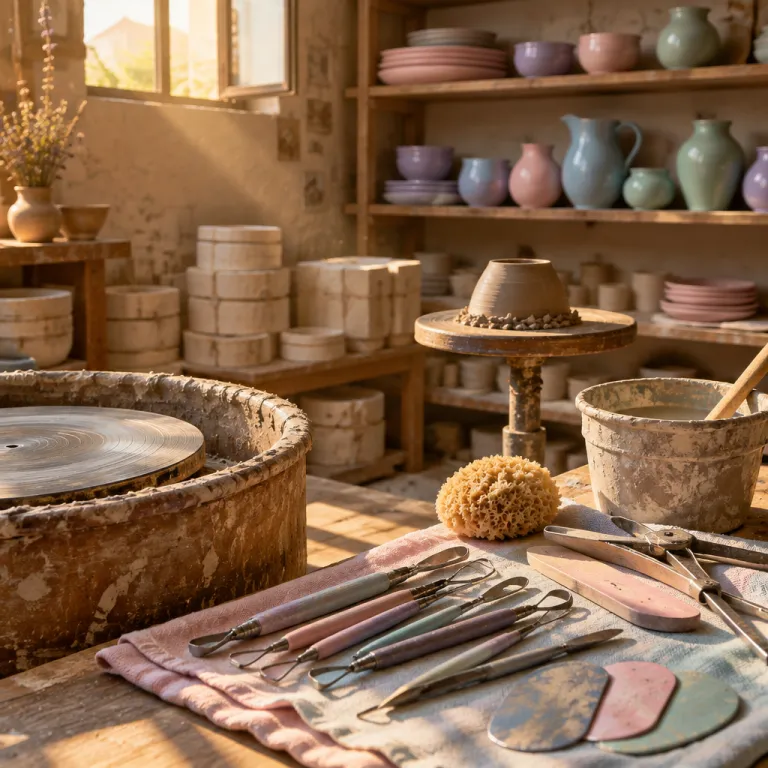
Grottaglie’s ceramics quarter and the pull of Puglia’s clay
Grottaglie sits quietly in the Taranto province of southern Italy, yet its ceramics quarter feels like a stage set for artisans. The town rises from a ravine, and the quartiere delle ceramiche clings to the tuff hillside where cave workshops still shape clay into everyday objects and sculptural pieces. For luxury travelers based in a masseria near Fasano or in the Valle d’Itria, this is the most rewarding half day you can add to an Apulian itinerary.
The main SEO thread here is simple ; grottaglie ceramics puglia artisan culture is not a marketing invention but a living system of workshops, kilns and families. In the ceramics district carved below the historic center, potters work in vaulted caves that have been used since at least the early modern century, firing ceramic forms in spaces that once stored grain and oil. When you visit Grottaglie, you are not walking a themed shopping street but entering a working production zone where clay dust, glaze buckets and stacked tiles tell the story before any guide does.
For guests staying in restored farm estates around Martina Franca or Fasano, Grottaglie Puglia offers a counterpoint to poolside languor. The ceramics quarter lies about 25 minutes by car from Taranto and around 40 minutes from the Valle Itria, which makes it ideal for a morning excursion before a long lunch back at your hotel. If you read the region through its craft traditions, this town becomes a key stop between the baroque centro storico of Martina Franca and the coastal light of Taranto.
Cave workshops, kilns and how to read authentic Grottaglie ceramics
The heart of the ceramics quarter runs along Via Crispi and the lanes that drop toward the ravine, where each bottega opens into a cool cavern. Many of these workshops combine a street level shop with a working space behind or below, so you can move from polished shelves of Italian ceramics to the raw clay and turning wheels in a few steps. This physical link between production and sale is what keeps the quartiere delle ceramiche from feeling like a stage set.
When you enter a ceramic shop, look beyond the front display ; the best addresses will gladly let you step into the back room to see hand painted plates, jugs and pumo figurines in progress. Authentic Grottaglie ceramics often show a slightly irregular glaze, a sign of traditional firing rather than industrial perfection, and the classic white and blue palette sits alongside deep greens and sunny yellows. Ask to read the base of a piece, where the signature and sometimes the name della ceramica workshop or family will be written, giving you a direct line to the artisan.
Several historic names anchor this ceramics district, including Nicola Fasano and Bottega Vestita, where generations have refined both everyday objects and more experimental art pieces. In these spaces, the line between functional ceramic ware and contemporary art blurs, yet the clay body and glazes remain rooted in local soil and long practice. For travelers used to curated hotel concept stores, the raw honesty of these workshops in Grottaglie Puglia feels refreshingly unstyled.
From tourist trinkets to heirloom pieces: what to look for and what to buy
Not every ceramic plate in town carries the same weight, and understanding the difference will help you buy with confidence. Tourist focused shops near the upper historic center often stock imported ceramics or factory made pieces, which may look bright but lack the depth of glaze and subtle irregularities of hand painted work. In the lower ceramics quarter, you are more likely to find artisans shaping clay on site, which is your first sign that the piece in your hand has a traceable origin.
Use three simple checks when you visit Grottaglie and step into a ceramics shop ; ask whether the ceramic was made in that workshop, look for the artisan’s name or bottega mark under the base, and feel the weight and balance of the object. Traditional fish plates, pumo buds and large water jugs from Grottaglie Puglia should feel solid but not clumsy, with glazes that pool slightly at the edges rather than sitting flat like a print. If you are building a collection for a home in the United States, consider mixing everyday objects such as bowls and cups with one or two statement art pieces that can anchor a dining room or terrace.
Luxury travelers often arrive with a mental guide shaped by other Italian ceramics hubs such as Deruta or Vietri sul Mare, where decoration can be more ornate and the tourist trade heavier. Grottaglie’s ceramics district feels quieter and more workmanlike, closer in spirit to Caltagirone in Sicily but with its own Apulian restraint and a strong link to the surrounding agricultural landscape. That difference matters when you are curating objects that should echo the calm, stone lined suites of your masseria rather than shout from a crowded shelf.
The workshop visit: etiquette, timing and pairing with luxury stays
Most workshops in the quartiere delle ceramiche keep open doors during the morning, and walk ins are welcomed with a nod rather than a sales pitch. Step in quietly, greet the artisan, and take a moment to read the room before raising your camera or asking questions about the ceramics process. If the potter is at the wheel or opening a kiln, stand back and watch the rhythm of the work, which often says more than any formal guide.
When you feel the right pause, ask simple, respectful questions ; where does the clay come from, how long does a piece take from shaping to final firing, which glazes are most traditional for this town. Many artisans in Grottaglie Puglia are used to visitors from luxury hotels along the coast and will explain the difference between traditional motifs and newer street art influences that have crept into some designs. If you are interested in commissioning custom Italian ceramics for a property or yacht, say so clearly and be prepared for a longer timeline, as these are small teams balancing regular production with special orders.
From a logistics perspective, the ceramics quarter pairs beautifully with a stay in a high end masseria between Fasano and Martina Franca, where design often nods to della ceramica heritage through subtle tiles and vases. Many of the most interesting properties in Apulia are shaped by influential architects and interior designers, and you can read more about how they work with local craft traditions in this in depth feature on celebrated architects shaping luxury hotel experiences in Apulia. Plan to arrive in Grottaglie by mid morning, spend two to three hours moving between workshops, then return to your hotel for a late lunch and an afternoon by the pool with your new ceramic pieces safely wrapped.
Beyond the kilns: Grottaglie’s historic center, street art and context in Italy
Once you have explored the ceramics quarter, climb back toward the centro storico and the Castello Episcopio, which houses the Museum of Ceramics in a former episcopal fortress. Here you can read the long arc of Grottaglie ceramics, from early utilitarian storage jars to refined tableware that once traveled across Italy and the Mediterranean. The museum setting, with its stone halls and views toward the ravine, underlines how deeply this art is woven into the town’s fabric.
Wander the narrow streets of the historic center and you will notice contemporary street art sitting beside shrines and weathered doorways, a reminder that Grottaglie Puglia is not frozen in time. Murals often reference clay, hands and vessels, echoing the work happening below in the ceramics district and quartiere delle caves, while small galleries show younger artists who stretch the idea of ceramic beyond the traditional. This layered visual language makes the town an engaging counterpoint to the more polished baroque of Martina Franca or the coastal energy of Taranto.
Within the wider map of Italian ceramics, Grottaglie holds a quieter but no less important position than Deruta in Umbria or Vietri on the Amalfi Coast. Its focus on functional everyday objects, restrained decoration and a close link to agricultural life gives it a character that resonates strongly with the understated luxury of Apulian hotels. For travelers who care about where objects come from and how they are made, a morning in these workshops turns grottaglie ceramics puglia artisan culture from a search term into a lived experience.
FAQ
How do I get to Grottaglie’s ceramics quarter from major Apulian hubs ?
Grottaglie lies in the Taranto province, about 25 minutes by car from Taranto city and roughly 40 minutes from the Valle Itria towns such as Martina Franca. From Fasano or the coastal masserie, allow around one hour, using well maintained regional roads that pass through olive groves and vineyards. Parking is usually available near the entrance to the ceramics quarter, from where you can explore the workshops on foot.
How much time should I plan for a visit to the workshops ?
A focused visit to the quartiere delle ceramiche typically takes two to three hours, which allows time to enter several workshops, speak with artisans and choose a few ceramic pieces. If you also want to see the Museum of Ceramics in the Castello Episcopio and wander the historic center, plan for a full morning. Many luxury travelers pair this with a long lunch back at their hotel or in a countryside restaurant nearby.
Can I ship ceramics home to the United States from Grottaglie ?
Most established workshops and shops in Grottaglie are experienced in packing and shipping ceramics to international addresses, including the United States. Ask about insured shipping, estimated delivery times and whether the artisan can provide documentation about the origin of the pieces for your records. For smaller everyday objects, you can also carry them in hand luggage if they are well wrapped and cushioned.
What should I look for to ensure I am buying authentic local ceramics ?
Authentic Grottaglie ceramics are usually made on site in the workshop, signed or stamped on the base with the artisan’s name or bottega, and show subtle variations in glaze and form. Do not hesitate to ask whether the piece was produced in that specific ceramics district and if you can see the working area behind the shop. Buying directly from a working artisan rather than a purely commercial outlet is the most reliable way to support the local craft economy.
Is Grottaglie suitable for a solo traveler staying in a luxury hotel ?
Grottaglie is very manageable for solo travelers, with a compact ceramics quarter, welcoming artisans and a relaxed pace that suits unhurried exploration. Many high end hotels in Puglia can arrange a private driver or guided visit, but confident drivers will find the route straightforward. The combination of art, history and tangible objects makes it an especially rewarding solo excursion from a masseria base.