Reading the numbers: puglia tourism impact behind the headlines
Puglia tourism impact is no longer a niche topic for insiders. When a region in southern Italy moves from 13.4 million to more than 20 million overnight stays in just over a decade, the conversation shifts from charming secret to serious tourism economy. For travelers planning a luxury trip Puglia, those numbers quietly shape everything from room availability to the feel of a piazza at sunset.
The puglia region now welcomes over 22 million overnight stays, and that scale of tourism inevitably reshapes each city, town and cluster of villages. International guests have grown from under one fifth to more than one third of total overnights, which means English is heard more often in the narrow streets of Bari, Lecce and the whitewashed villages of Salento. This rising puglia tourism impact brings better air links, more polished service and a broader choice of premium hotels, but it also raises questions about sustainable tourism and how to keep the land and sea from feeling overrun.
For high end travelers, the key question is simple yet nuanced. Can you still visit Puglia and feel that sense of southern Italy authenticity that first drew you here, while benefiting from the comforts that come with a 27.7 percent growth in the four star segment. The answer depends on when you travel Puglia, how long you stay — a long weekend, ten days or even three weeks — and which pockets of the puglia region you choose, from the Adriatic Sea coast near Polignano a Mare to the quieter villages Salento inland.
Urban elegance: how bari and lecce are rewriting the luxury script
The puglia tourism impact is most visible in the region’s cities, where heritage palazzi are being reimagined as discreet luxury addresses. Bari, once treated as a mere gateway to Puglia Italy, now rewards a longer visit with its revived old town, polished waterfront and a growing set of premium stays that still sit beside fishermen mending nets by the Adriatic Sea. Lecce, by contrast, has leaned into its rich history and baroque architecture, turning every piazza into a stage set for aperitivo and late night strolls.
In Lecce’s centro storico, the puglia tourism impact has encouraged careful restorations rather than flashy new builds, and that is where the city excels for business leisure travelers. Properties such as the restored palazzo hotels highlighted in analyses of urban luxury in Lecce show how the puglia region is adding rooms without erasing character, often preserving original stone staircases, vaulted ceilings and views over tiled roofs. When you visit Puglia for meetings in Bari or conferences in Lecce, it now makes sense to extend your trip Puglia by two or three nights, using these city bases as elegant launchpads for day trips to coastal towns and inland villages.
Yet the balance remains delicate in every city and town. Too much tourism in a compact centro storico can push out local residents, raise prices in the piazza della main square and flatten the daily rhythm that made Puglia Italy feel so different from other parts of southern Italy. On World Tourism Day, the question for urban Puglia tourism is whether the next wave of openings will keep prioritizing sustainable tourism practices — from energy efficient retrofits to respectful noise policies — so that Bari and Lecce remain lived in cities rather than open air hotel corridors.
Coastlines, olive groves and the deseasonalised escape
Along the coast, puglia tourism impact is felt first on the beaches and then in the olive groves that sit just behind them. The summer crush in July and August has long been part of life in seaside towns such as Polignano a Mare, where the cliff framed cove and views over the Adriatic Sea draw both Italian families and international guests. For luxury travelers, the challenge is to enjoy the best of the sea while sidestepping the most crowded weeks of the year.
The region’s deseasonalisation strategy is quietly changing how and when discerning guests travel Puglia, and it plays directly into the strengths of high end masserie and coastal estates. By promoting harvest stays among centuries old olive trees, truffle and wine festivals, and cycling routes that weave through olive groves and low stone walls, the puglia region is encouraging visitors to come year round rather than only in peak summer. A refined Puglia itinerary for luxury stays in southern Italy now often suggests late September, October or spring, when the sea is still swimmable, the light is softer and the villages of Salento feel more local than touristic.
For those planning a trip Puglia focused on the coast, this shift has practical implications. Booking a sea facing suite outside July August not only improves availability and service, it also reduces pressure on fragile beach ecosystems and the narrow streets of coastal towns that were never designed for heavy traffic. The puglia tourism impact then becomes a tool for sustainable tourism, spreading visits more evenly across time and space, from the sandy arcs of the Salento beaches to the quieter land around Ostuni, Monopoli and the inland villages Salento that still move at a slower pace.
Iconic Apulian retreats: where to stay when everyone is coming
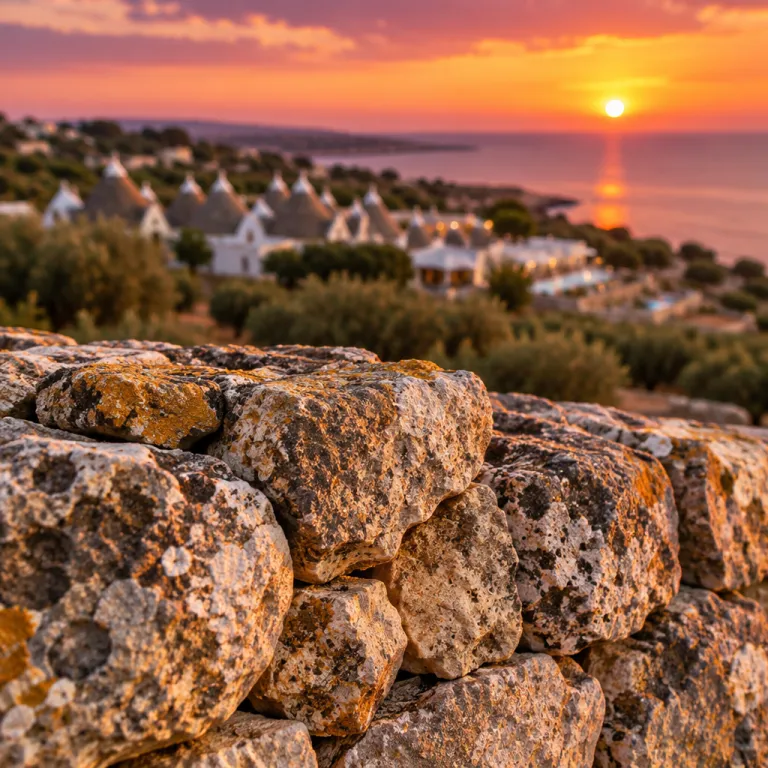
As Puglia tourism impact grows, the most coveted addresses are the masserie and palazzi that manage to feel both connected and cocooned. These iconic Apulian retreats sit between land and sea, often framed by olive trees and dry stone walls, with the Adriatic Sea or Ionian horizon a short drive away. For business leisure travelers, they offer a rare combination of reliable Wi Fi, attentive service and a sense that time has slowed just enough.
In the puglia Salento area, many properties are set near villages rather than in the heart of a town, which helps preserve local life in the narrow streets while still giving guests easy access to a lively piazza for evening passeggiata. When you visit Puglia for three weeks or more, alternating stays between a city base such as Lecce and a countryside masseria near the sea allows you to feel the full spectrum of the puglia region, from baroque stone to sandy beach. For weddings, executive retreats or multi generational gatherings, curated estates featured in guides to luxury coastal stays in Apulia show how high end tourism can support restoration of historic properties rather than new construction on untouched land.
The responsibility now sits with both travelers and hoteliers. Choosing properties that invest in water saving systems, protect surrounding olive groves and engage with local producers turns the puglia tourism impact into a positive force for the region’s rich history and communities. If you plan your trip Puglia outside peak summer, split nights between cities, coastal towns and inland villages, and favor stays that respect the land, you help ensure that the piazza della main square in each village still belongs first to its residents — and that Puglia Italy remains the place people chose precisely because it was not yet another overexposed corner of southern Italy.
FAQ
When is the best time to visit Puglia for a luxury stay ?
The most comfortable balance between weather and crowd levels usually comes from late spring to early summer and from late September into autumn. During these periods, the sea is often warm enough for swimming, but the beaches and narrow streets of coastal towns are less congested than in July August. This timing also aligns with the region’s deseasonalisation strategy, which encourages year round experiences such as harvest stays among olive trees and cultural festivals in cities and villages.
How long should I stay in Puglia to explore both cities and countryside ?
A focused business leisure trip Puglia can work in five to seven nights, splitting time between Bari or Lecce and a countryside masseria near the sea. If you want to experience more of the puglia region, including Salento, inland villages and multiple beach areas, ten to fourteen nights is more realistic. Travelers with three weeks or more can slow the pace, spending several nights in each town or village and feeling the full puglia tourism impact without rushing.
Which areas of Puglia are best for combining work and leisure ?
Bari and Lecce are the most practical bases for combining meetings with high quality downtime, thanks to good transport links, reliable infrastructure and a growing choice of premium hotels. From either city, you can reach coastal towns such as Polignano a Mare or the beaches of Salento within about an hour, making day trips easy. Many executives choose a pattern of two or three nights in the city followed by several nights in a countryside or coastal retreat.
How is Puglia managing sustainable tourism as visitor numbers grow ?
The region is focusing on spreading tourism year round, promoting off season experiences and encouraging stays in restored historic properties rather than new builds on untouched land. Local authorities and many hoteliers are investing in energy efficiency, water saving systems and protection of olive groves and coastal ecosystems. As a traveler, you can support sustainable tourism by avoiding peak weeks, choosing properties with clear environmental commitments and spending in local businesses in each town and village you visit.
Is Puglia still worth visiting if I prefer quieter destinations ?
Yes, but destination and timing choices matter more than before, given the rising puglia tourism impact. Avoid the busiest stretches of July August, focus on smaller villages Salento and inland towns, and look for masserie set among olive trees rather than directly on the most famous beaches. Traveling outside peak summer and staying longer in each place will help you find the quieter, more local side of Puglia Italy that first attracted the cognoscenti.