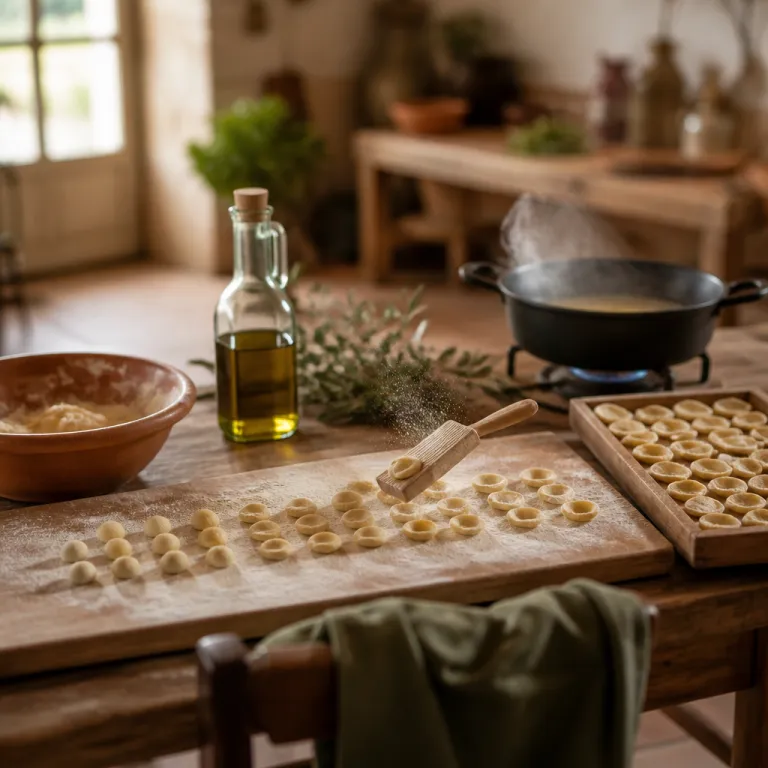
The Puglian cooking class question for luxury travelers
Every luxury stay in Puglia now seems to include a cooking class promising perfect orecchiette before lunchtime. For families choosing a premium hotel or masseria, the real question is which cooking class Puglia orecchiette experience will justify giving up a slow morning by the pool and actually deepen your relationship with this Apulian region. The best classes feel like an intimate extension of your suite rather than a staged add on, turning a simple bowl of orecchiette pasta into a memory that anchors the whole trip.
Think of it as choosing between a teaching kitchen and a performance kitchen, a distinction that matters when you are paying for the best food experiences. A teaching kitchen is where you will learn to work the pasta dough yourself, feel how much water the semolina flour needs and understand why the dough changes with humidity and time. A performance kitchen, by contrast, often keeps guests at a distance while staff pre shape the handmade orecchiette, leaving you with photos but little confidence to repeat the cooking once you leave Puglia beloved and return home.
On a serious luxury and premium hotel booking website in Apulia, a credible listing for any cooking class must go beyond pretty images of trulli and rustic tables. You should see clear information about class length, the ratio of guests to instructor and whether children can safely handle fresh pasta and hot olive oil. When a property describes its cooking classes, scan for concrete details about pasta dough texture, sauces, local ingredients and timing rather than vague promises of the best cooking or generic food and wine pairings.
The Bari Vecchia doorway: living tradition or tourist theatre
Walk through Bari Vecchia in the early morning and you will see women shaping orecchiette at low tables, the original open air cooking class Puglia orecchiette experience. The Strada delle Orecchiette is a narrow lane where the tradition of orecchiette pasta remains a daily activity rather than a staged show, and this is where many travelers first understand that Apulian pasta is a living craft. For families staying in luxury hotels near Bari, the question is whether to book a structured orecchiette workshop or simply stand in a doorway and watch the pasta dough become tiny ears in real time.
Some local initiatives now formalize that doorway moment into small classes, often in partnership with operators such as Pugliamare or Senti La Puglia, who work with local nonnas. A typical two hour workshop with a Bari nonna, for example, might be priced around €60–€80 per person and include a glass of local wine, as shown on several Bari pasta tradition listings. Here, a serious class will start with semolina and water on a wooden board, move through the cutting of the dough into strips and end with you shaping your own handmade orecchiette for lunch with cime rapa and local olive oil. The best experiences keep the group small, respect the privacy of residents and treat the nonna as a teacher rather than a prop for social media.
For high end travelers, this is also where performance kitchens can creep in, with pre prepared fresh pasta and limited hands on cooking. Ask directly whether you will learn to mix the semolina flour and water yourself, and whether children can sit at the same table as the nonna or must watch from behind. One recent guest described her Bari pasta lesson as “the moment Puglia stopped being a postcard and became a kitchen I understood.” If your hotel concierge suggests a Bari Vecchia class, pair it with an evening at a serious restaurant or a Michelin level dining room, using guides such as this analysis of a new Michelin star in Carovigno and the Salento gastronomy shift to understand how humble orecchiette now sits beside tasting menus and ambitious food wine pairings.
Masseria kitchens versus independent schools: choosing the right format
Once you leave Bari, the cooking class Puglia orecchiette landscape changes, especially around the trulli of Valle d’Itria and the masserie that dot the countryside. Many luxury properties now offer in house cooking classes in vaulted stone kitchens, where children can roll fresh pasta while grandparents taste local wine and olive oil from the estate. Independent cooking schools, by contrast, often sit in town centers from Lecce to Ostuni and focus on a wider range of Italian recipes beyond orecchiette.
Masseria based classes work best for families who value convenience and privacy, because the experience will usually start steps from your room and end with lunch under the pergola. Here, the best cooking experiences integrate the class into the rhythm of the property, perhaps beginning after a morning swim and finishing in time for a spa treatment or a walk among the olive trees. When you browse a luxury and premium hotel booking website in Apulia, favor properties that describe their cooking classes with specifics about pasta dough, cime rapa sauces, estate olive oil and schedule rather than generic mentions of food.
Independent schools such as those hosted by Cesarine in Lecce can offer deeper immersion into Apulian food culture, often including market visits and multiple courses. A sample itinerary might start at 9:00 with a market tour, move to a three hour handmade pasta lesson and end with a seated lunch and wine tasting. These classes may suit older children or teenagers who want to handle more complex cooking and explore several Italian recipes in one morning. If you plan to split your stay between countryside and coast, consider pairing a masseria class with an urban school and use curated guides to local kitchens, such as this overview of where to eat in Salento and the cucina povera kitchens that shaped Lecce’s chefs, to frame how your own orecchiette experiences fit into the broader food scene.
What you should actually learn in an orecchiette class
For a morning to feel well spent, a cooking class Puglia orecchiette session must teach more than a photo ready plate. At minimum, you should leave understanding the ratio of semolina flour to water, how long to rest the pasta dough and how to adjust when the air in Puglia feels drier than at home. A serious teacher will explain why Apulian cooks prefer certain brands of semolina, how the dough responds to different salts and how time changes the texture of the final orecchiette pasta.
The shaping technique is where a teaching kitchen reveals itself, because this is the moment when your experience will either become muscle memory or remain a vague impression. You should practice dragging the dough with a knife, flipping the ear over your thumb and repeating the movement until your hands understand the rhythm, not just your eyes. As one Bari Vecchia nonna likes to say, “If you can hear the dough whisper under the knife, the ear will open.” A good class will also cover at least one classic sauce, usually cime rapa with garlic and olive oil, and perhaps a simple tomato base, so that your future cooking experiences at home feel anchored in real Apulian food rather than guesswork.
Families should ask whether children can handle their own dough from start to finish, because this is where confidence grows and the best food memories form. Look for classes that send you home with written Italian recipes, clear notes on cooking times and suggestions for pairing your orecchiette with wine, both local and international. When browsing a curated booking platform, prioritize properties that describe these details transparently and that host their classes in real working kitchens rather than staged spaces designed only for photographs.
Beyond orecchiette: burrata, focaccia and the wider Puglian table
While the cooking class Puglia orecchiette trend dominates hotel brochures, the most rewarding mornings often include other Apulian staples. Some masserie now offer extended classes where you will learn to stretch burrata, press focaccia into pans with olive oil and prepare simple preserves that echo the region’s cucina povera roots. These experiences turn a single pasta class into a broader education in Puglian food, giving families more recipes to cook together once the holiday ends.
Look for programs that combine orecchiette pasta with at least one bread or cheese element, because this balance reflects how locals actually eat. A well structured morning might begin with mixing pasta dough, move to shaping handmade orecchiette, then shift to focaccia while the pasta rests, before ending with a tasting of local wine and seasonal vegetables. Such classes respect your time, keep children engaged with varied tasks and deliver multiple experiences in one session, which matters when premium travelers weigh every hour against spa appointments or coastal excursions.
For guests building an itinerary around wellness and gastronomy, it can be smart to pair these classes with refined stays at properties known for their kitchens and spa programs. Use curated resources such as this guide to luxury spa hotels in Apulia along the Adriatic coast to align your cooking experiences with the level of service you expect in other parts of your stay. When a hotel’s restaurant already treats orecchiette and cime rapa with respect, the chances are high that its cooking classes will match that seriousness and turn a simple morning into one of the best cooking memories of your trip.
How to read the fine print: policies, pricing and practicalities
On any serious luxury and premium hotel booking website in Apulia, the way a property presents its cooking classes tells you as much as the photos. Transparent listings should state that the average class lasts around two hours, specify whether the price per person includes wine and clarify if children pay a reduced rate or join free. When you see vague language about a cooking experience without details on timing, pasta dough involvement or group size, treat it as a sign that the class may lean toward performance rather than teaching.
Families should also pay attention to how hotels handle their privacy policy and cookie policy, because this reflects broader respect for guests and their data. A clear privacy policy and a well explained policy cookie section suggest that the same attention to detail may extend to how they manage bookings for cooking classes, dietary restrictions and last minute changes. When a property takes the time to outline how your experience will unfold, from the first email to the final plate of handmade orecchiette, you can expect fewer surprises and more space to enjoy the food.
Before confirming a reservation, ask whether the class is run by in house staff, local nonnas or external partners such as Pugliamare, Senti La Puglia or Cesarine, because this shapes the tone of the morning. Remember that “What is orecchiette?” “A traditional Puglian pasta shaped like small ears.” “Do I need prior cooking experience?” “No, classes are suitable for all skill levels.” “Are classes available in English?” “Yes, most classes offer instruction in English.” These straightforward answers, often provided by serious organizers, are exactly the kind of clarity you should expect from any hotel or masseria that claims to offer the best cooking classes in Puglia beloved by families and food focused travelers.
FAQ
Are Puglian orecchiette classes suitable for children and beginners ?
Most cooking classes in Puglia are designed for all skill levels, which makes them ideal for families with children and complete beginners. Organizers typically focus on simple pasta dough made from semolina flour and water, then guide you step by step through shaping orecchiette. When booking through a luxury hotel, confirm minimum ages and whether each child will have their own workspace and fresh pasta to handle.
How long does a typical orecchiette cooking class last ?
The standard format for a cooking class focused on orecchiette in Puglia is around two hours. This duration allows enough time to mix the dough, let it rest, shape the pasta and cook a simple sauce such as cime rapa with olive oil. Some masserie extend the experience into a longer session that includes extra dishes or a more elaborate food and wine tasting.
Should I choose a masseria class or an independent cooking school ?
Masseria based classes work best if you value convenience, privacy and a seamless link between your room, the kitchen and the lunch table. Independent cooking schools in cities such as Bari or Lecce often provide a deeper dive into Apulian food, sometimes including market visits and multiple Italian recipes beyond orecchiette pasta. For many premium travelers, a combination of one masseria class and one city school offers the richest set of experiences.
Do I need to book my orecchiette class in advance ?
Advance booking is strongly recommended, especially during peak travel periods when demand for cooking classes rises alongside interest in food tourism. Luxury hotels and organizers such as Pugliamare, Senti La Puglia and Cesarine often limit group sizes to keep the experience intimate. Reserving early also gives you time to share dietary restrictions and confirm details such as language, timing and whether wine is included.
What should I look for when comparing orecchiette experiences online ?
When browsing a hotel booking website or a dedicated cooking school page, focus on concrete details rather than marketing language. Look for clear descriptions of what you will learn, including dough ratios, shaping techniques and sauces, as well as transparent pricing and timing. A serious listing will also reference local ingredients, small group sizes and a straightforward privacy policy, which together signal a higher level of professionalism and trustworthiness.
References
Italian National Tourist Board – food and wine tourism reports.
Aite – studies on Italian tourists and food focused travel.
Michelin Guide Italy – listings and analysis of Puglian restaurants.